
Review · ITALY
Piedmont: Winery Tour, Taste Barolo, Barbaresco & Local Food
A visit to Sobrero Vini puts you right in Barolo country, where the hills around Castiglione Falletto are the reason Piedmont wine carries such weight. The two-hour visit combines a vineyard walk, a centuries-old cellar, and a generous tasting led by Charles, the owner.
I like the family-run setting, where you meet the people behind the bottles instead of simply tasting anonymous labels. I also like the food pairing: cured meats, cheeses, homemade bread, and estate olive oil make this feel like a small Piedmont meal, not a quick sip at a counter. The main consideration is transport. You must make your own way to the winery, and the $58 price is best value if you appreciate both wine and local food.
Key points to know before booking
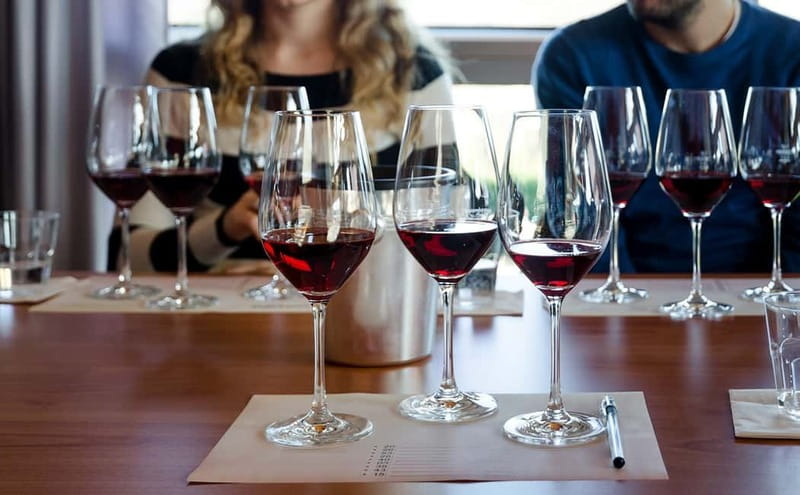
- Seven wines in two hours: Taste Barolo, Barbaresco, Barbera, Moscato, and other estate wines in one sitting.
- A real cellar visit: Walk through the vineyards and enter a centuries-old wine cellar at Sobrero Vini.
- Charles leads the experience: The owner explains the family’s winemaking approach and the character of the local soil and hills.
- Food is part of the tasting: Expect cured meats, cheeses, rustic homemade bread, snacks, and the estate’s extra virgin olive oil.
- Two Piedmont liqueurs: Barolo Chinato and Grappa di Barolo add a strong finish to the tasting.
- Small-group format: The intimate setting gives you more time for questions and a relaxed conversation.
Arriving in Castiglione Falletto’s Barolo country
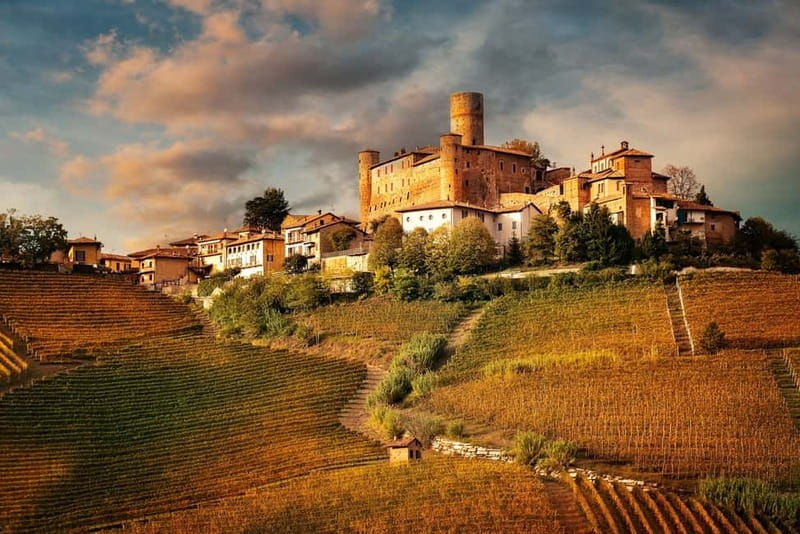
Sobrero Vini is at Via Alba Monforte, 39, in Castiglione Falletto, with private parking at the meeting point. You will find the local host there to welcome you. Since transportation is not included, this visit works best as part of a self-drive day through the Langhe wine area.
That transport detail matters. If you are staying in Alba or another nearby town, you need to plan your own ride to the winery and back. The tasting includes seven wines plus two liqueurs, so driving after the visit deserves careful thought. Arrange a designated driver or another suitable way to return before you begin tasting.
The location gives you an immediate sense of place. This is not a generic wine shop in a city center. You are visiting a working family estate in one of Piedmont’s best-known wine zones, with vineyards around you and the cellar on site.
More Winery Tours in Italy
- Tuscany Day Trip from Florence: Siena, San Gimignano, Pisa and Lunch at a Winery
★ 5.0 · 21,634 reviews - Florence: Chianti Wineries Tour with Wine Tasting
★ 4.5 · 10,071 reviews - From Florence: Siena, San Gimignano, Pisa & Lunch at Winery
★ 4.8 · 4,538 reviews
A vineyard walk before the first glass
The experience begins with a guided walk through the vineyards. This opening helps you understand that Barolo and Barbaresco are not just famous names on a wine list. They come from particular hills, vines, and growing conditions, all of which shape the final bottle.
You will hear about the estate’s approach to making wine and the role of its local setting. Charles personally introduces the winemaking process, giving the visit a direct connection to the family that produces the wine. The personal element is important here. You are not only being told how wine is made in general; you are being shown how this producer thinks about its own bottles.
The walk is also a useful moment to slow down before the tasting. Two hours is enough time for a clear introduction, but it is not a full-day agricultural tour. You should expect a focused look at the vineyards rather than a long hike through the region.
Inside the centuries-old cellar
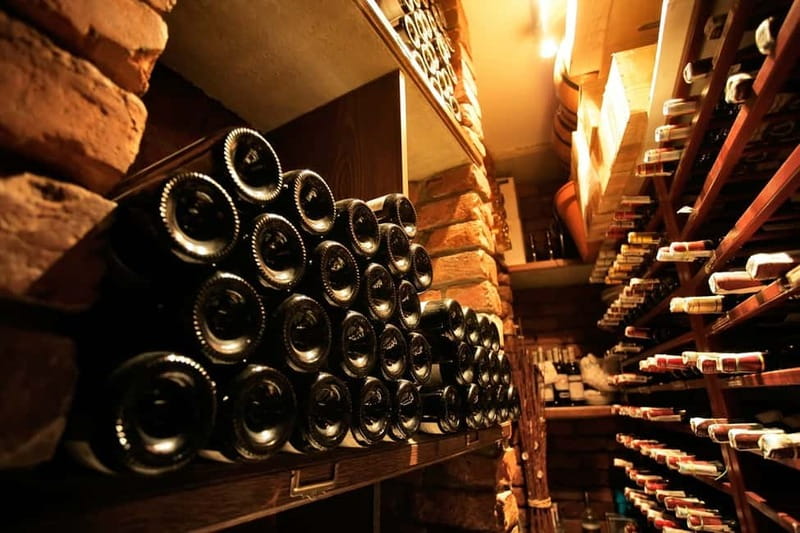
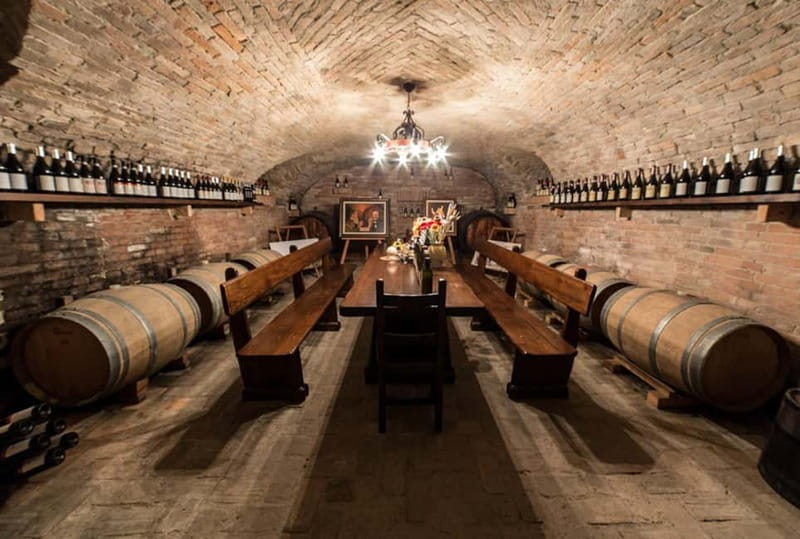
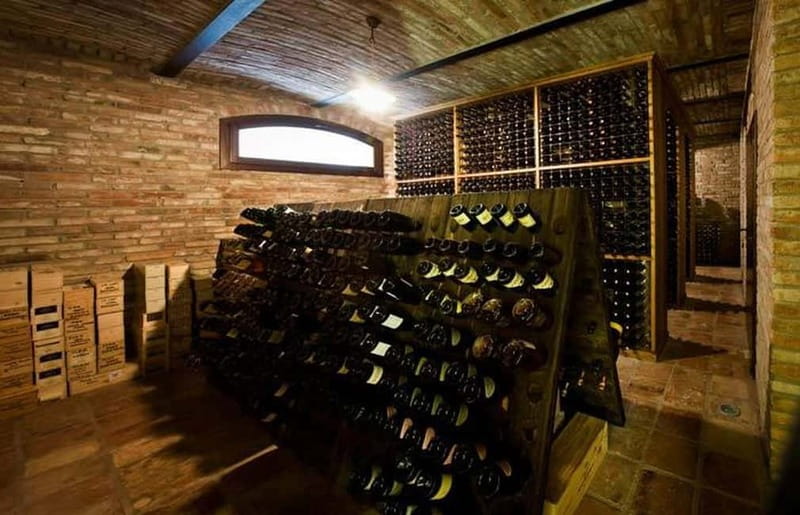
From the vines, the visit continues into the estate’s centuries-old cellar. This is where the traditional side of Piedmont winemaking becomes most visible. The cellar gives you a physical link between the family’s long connection to the area and the bottles you will later taste.
Charles explains the production process and the estate’s philosophy in English. The experience is designed for conversation, so you can ask about the wines, the cellar, and the decisions that shape each style. Past comments about the visit particularly emphasize clear explanations and the story behind the wines, which makes this section valuable even if you are new to Piedmont wine.
The cellar also adds context to the tasting. You can see where the work happens before sitting down to compare the results. That simple sequence, vineyard, cellar, glass, makes the visit easier to follow than a tasting that begins with bottles already poured.
Seven wines from Barolo to Moscato
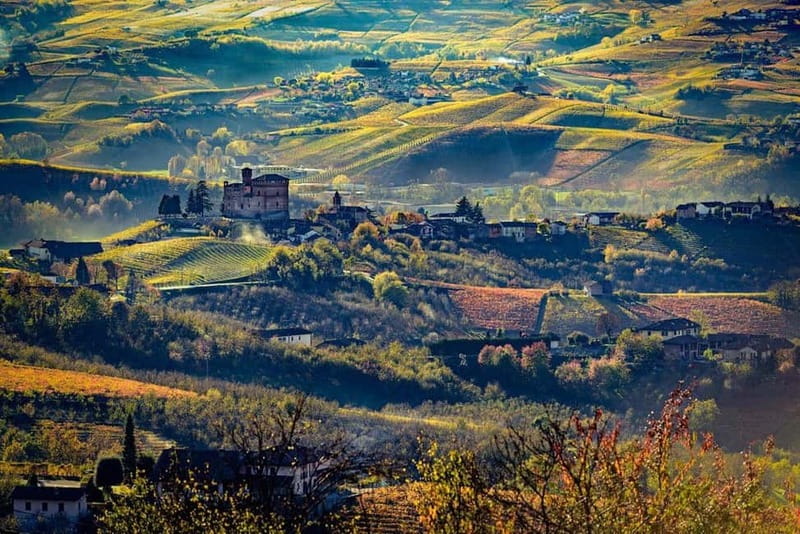
The tasting includes seven wines from the estate. The selection includes Barolo, Barbaresco, Barbera, and Moscato, giving you a useful range of Piedmont styles rather than seven versions of the same wine.
Barolo and Barbaresco are the headline pours for many visitors. These wines are closely tied to Piedmont’s international reputation, and tasting them at a family winery gives you a chance to connect the well-known names with a specific producer. Barbera offers a different expression, while Moscato brings a sweeter and lighter change of pace.
The exact order and additional wine styles are not specified, so you should treat the list as a broad guide rather than a fixed tasting sheet. What is clear is the variety. You can compare several important local categories in a single visit without booking a separate tasting for each one.
Seven wines can be a lot in two hours, especially when food and explanations are included. Take your time and listen to the host’s guidance. The point is not to rush through every glass. It is to notice how the wines differ and decide which bottles fit your own taste.
Same town, a different glass:
- Small-Group Wine Tasting Experience in the Tuscan Countryside
★ 5.0 · 7,392 reviews - Rome: Tuscany & Montepulciano Day Trip with Lunch & Wine Tasting
★ 4.5 · 5,232 reviews - SMALL-GROUP Wine Safaris: Tuscan Wine Tasting Tours from Florence
★ 5.0 · 5,088 reviews - Winner 2025 Florence Sunset Food & Wine Tour by Eating Europe
★ 5.0 · 5,015 reviews
Local food turns the tasting into lunch
The food is one of the strongest reasons to choose this experience. Wines are paired with local cured meats, fine cheeses, rustic homemade bread, and snacks. The portions are described as generous, so this is more substantial than the token breadstick or a few small crackers often served with tastings.
These pairings also make the wine easier to understand. A bold red can taste different beside cheese or cured meat than it does by itself. Bread gives you a neutral bite between samples, while the local products help connect the tasting to Piedmont’s food culture.
The estate’s extra virgin olive oil is included as its own tasting. That is an unusual and welcome addition. It gives you another way to taste the character of the property, and it breaks up the wine sequence with something fresh and savory.
If you are visiting with someone who does not care much about wine, the food makes the outing more appealing. The tasting is still wine-centered, but it is not built only around technical discussion. You have something satisfying to eat while you listen.
Barolo Chinato and Grappa di Barolo
The tasting includes two different liqueurs: Barolo Chinato and Grappa di Barolo. These are not simply extra pours added to inflate the list. They show two different ways Piedmont’s famous Barolo name appears beyond the standard red wine.
Barolo Chinato is a flavored wine-based drink, while Grappa di Barolo is a spirit made from grape pomace. Their inclusion gives the tasting a stronger sense of regional identity and provides a clear ending after the wines.
These are powerful drinks, so a measured pace is sensible. If you prefer lighter wines or are mainly interested in the vineyard visit, you can treat the liqueurs as a small final comparison rather than the main event.
What the family setting adds
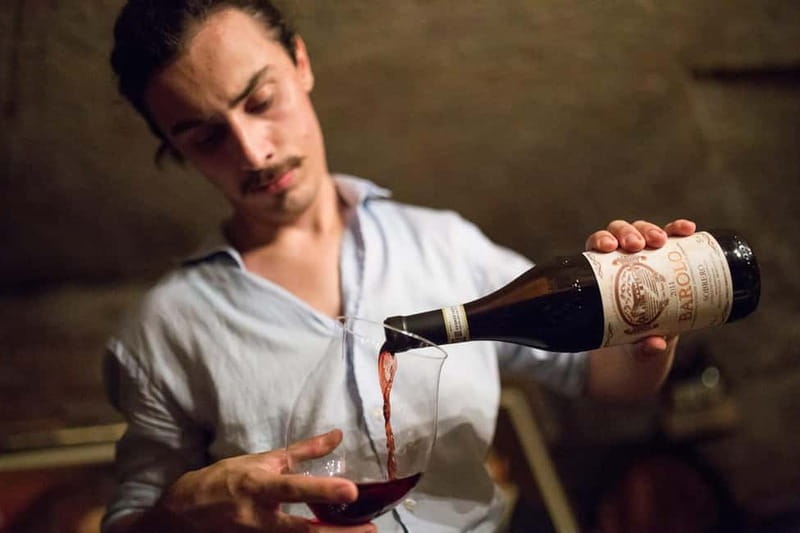
The family-run format is a major part of the experience. Charles, the owner, personally presents the winery, its methods, and its products. That can make the visit feel more direct than a large commercial tour, where you may be moved from one room to another with little time for questions.
The small-group format supports that personal approach. You should have a better chance to hear the explanations, ask about bottles, and speak with the host without competing with a busload of people. The atmosphere is intended to be intimate and relaxed.
This style suits you if you enjoy hearing the story behind a product. The focus is not just on drinking Barolo. It is on meeting the producer, seeing the cellar, and understanding why the estate makes the wines it does.
There is a tradeoff. A small family winery may not offer the polished visitor center, large museum displays, or extensive production facilities found at a major commercial estate. Here, the value comes from the personal contact and the tasting itself.
Buying bottles at cellar-door prices
At the end of the visit, you can buy wines directly from the producer at exclusive cellar-door prices. This is useful if you find a favorite during the tasting and want to take it home without searching for the same bottle elsewhere.
The cellar shop also lets you make a more informed choice. You will have tasted the wines and heard how they are made, so you are not picking a bottle based only on a label or a shop recommendation.
Do not assume you must buy anything. The visit includes the tasting, food, liqueurs, and olive oil, and the purchase opportunity is optional. If you do plan to buy, consider how you will transport the bottles during the rest of your trip and whether your airline or luggage allows it.
Is $58 a fair price?
At $58 per person, the price is reasonable for what is included, especially for anyone who would otherwise pay separately for a winery tour and a substantial tasting. You receive a guided vineyard visit, cellar tour, seven wines, two liqueurs, local food, snacks, and olive oil.
The value improves if you enjoy tasting a broad range of Piedmont products. Barolo alone can make winery visits expensive, and this experience adds Barbaresco, Barbera, Moscato, and the two regional liqueurs. The food also means you are getting more than a short sampling session.
The price is less attractive if you are only looking for a quick glass of Barolo or a scenic photo stop. Two hours is a focused visit, not an all-day wine excursion. You also pay separately for transportation, which can affect the final cost if you need to arrange a private ride.
For a couple or small group already touring the Langhe by car, I think the price makes sense. It combines education, tasting, and food in one stop, without requiring a full day.
Who will enjoy this winery visit?
This experience fits wine lovers who want to taste major Piedmont styles in one place. It also works well for curious beginners because Charles explains the process and the wines in English rather than assuming you already know the region.
Food-focused visitors should consider it too. The cured meats, cheeses, bread, and olive oil make the tasting feel connected to Piedmont’s table, not isolated from it. Couples will likely appreciate the relaxed small-group setting, while families can bring children, who are warmly welcomed.
Pets are also welcome, according to the activity details. That makes the visit easier for people traveling with an animal, though you should still use good judgment around food, cellar areas, and other members of the group.
This is not the best choice if you need included transportation, want a very short tasting, or prefer a large production site with extensive visitor facilities. It is also worth remembering that nine alcoholic samples in total can be demanding. Eat beforehand or make good use of the food served during the visit.
Timing, language, and booking flexibility
The visit lasts two hours, with starting times based on availability. The host or greeter speaks English, and the activity is offered in English. If your schedule is tight, check the available start time before building the rest of your day around it.
You can cancel up to 24 hours ahead for a full refund. A reserve-now, pay-later option is also available, which helps if your Piedmont plans are still changing.
The meeting point is the private parking at Sobrero Vini, Via Alba Monforte, 39, 12060 Castiglione Falletto CN, Italy. Keep the address ready, and allow enough time to reach the winery without rushing into the appointment.
Should you book Sobrero Vini?
Book this visit if you want a personal introduction to Piedmont wine with enough food to make the tasting feel like part of a regional meal. The combination of Charles’s family story, the vineyard and cellar tour, seven wines, two liqueurs, and estate olive oil gives you a lot for a two-hour stop.
I would especially recommend it to people touring the Langhe by car, couples looking for a relaxed winery experience, and beginners who want clear explanations without a formal classroom feel. Skip it if transportation is a problem or if you want a much longer, more technical winery program.
For most visitors who can reach Castiglione Falletto independently, this is a well-balanced way to meet a Piedmont producer, taste the region’s best-known styles, and leave with a better sense of what makes Barolo country worth visiting.
FAQ
Where does the winery tour meet?
The meeting point is the private parking at Sobrero Vini, Via Alba Monforte, 39, 12060 Castiglione Falletto CN, Italy.
Is transportation included?
No. You must arrange your own transportation to and from Sobrero Vini.
How long does the experience last?
The winery visit and tasting last two hours.
What language is the tour offered in?
The host or greeter speaks English, and the activity is offered in English.
How many wines are included?
The tasting includes seven different wines, including Barolo, Barbaresco, Barbera, and Moscato.
Are liqueurs included?
Yes. You taste one Barolo Chinato and one Grappa di Barolo.
What food is served with the wine?
The tasting includes local cured meats, cheeses, rustic homemade bread, snacks, and the estate’s extra virgin olive oil.
Can I buy wine at the winery?
Yes. You can purchase wines directly from the producer at exclusive cellar-door prices.
More Food in Italy
- Eat Like a Local: Venice 3-Hour Small-Group Food Tasting Tour
★ 5.0 · 3,137 reviews - Sorrento Farm and Food Experience including Olive Oil, Limoncello, Wine tasting
★ 5.0 · 2,524 reviews - Venice Like a Local: Food, Wine & Spritz Tour with Traghetto Ride
★ 5.0 · 1,858 reviews - From Florence: Tuscany Wine & Food Tour with Guide
★ 4.9 · 1,746 reviews
Just added around Italy
- Catamaran tour stops bathing and snorkeling toast with prosecco★ 5.0 · 214 reviews
- Cagliari Boat Tour by Maxi Rib – Wine and Snorkeling★ 5.0 · 128 reviews
- Small-Group Food and Wine Tour from Cagliari★ 5.0 · 237 reviews
- Cagliari Boat Tour with Sardatrips; Swim, Snorkeling, Sip & Snack★ 5.0 · 106 reviews
- Cagliari 3 Hours Luxury Motorboat Tour – Wine and Snorkeling★ 5.0 · 118 reviews
- Wine Experience: vineyard, wines and food★ 5.0 · 155 reviews
- Dinner in the vineyard with wine tasting and walk★ 5.0 · 58 reviews
- Wine Tour and Tasting of Lugana Wines in Desenzano★ 5.0 · 58 reviews
Winery Tours, compared.
Douro Valley with Winery Lunch, Tastings & Cruise
Read our review →
Montserrat with Black Madonna & Medieval Winery with Tapas/Lunch
Read our review →
Wine Tour: Paarl, Franschhoek & Stellenbosch incl 3 wineries
Read our review →
Douro Valley Tour: 2 Vineyard Visits, River Cruise, Winery Lunch
Read our review →
5-Hour Traverse City Wine Tour: 4 Wineries on Old Mission Peninsula
Read our review →
Tastings at 2 Wineries, Chef’s Lunch & Boat Tour
Read our review →
Douro Valley Tour: Visit 2 Wineries, Lunch & River Cruise
Read our review →Browse the lists this tour appears in