
Review · PARIS
Paris: Wine and Cheese Tasting
The best part of this Paris wine tasting is the setting: you meet inside a working cave à vin, a boutique packed with bottles from small French producers. Maps and soil samples turn French wine from a blur of labels into a story about grapes, place, and tradition.
I like the small group, limited to eight, and the practical cheese pairing. I also like that guides such as Camille, Julian, and Constance have taken time to explain the wines clearly. The main drawback is that this is a tasting in a shop, not a restaurant, so toilet access may be limited and the food is a modest accompaniment rather than a meal.
Key points to know before booking
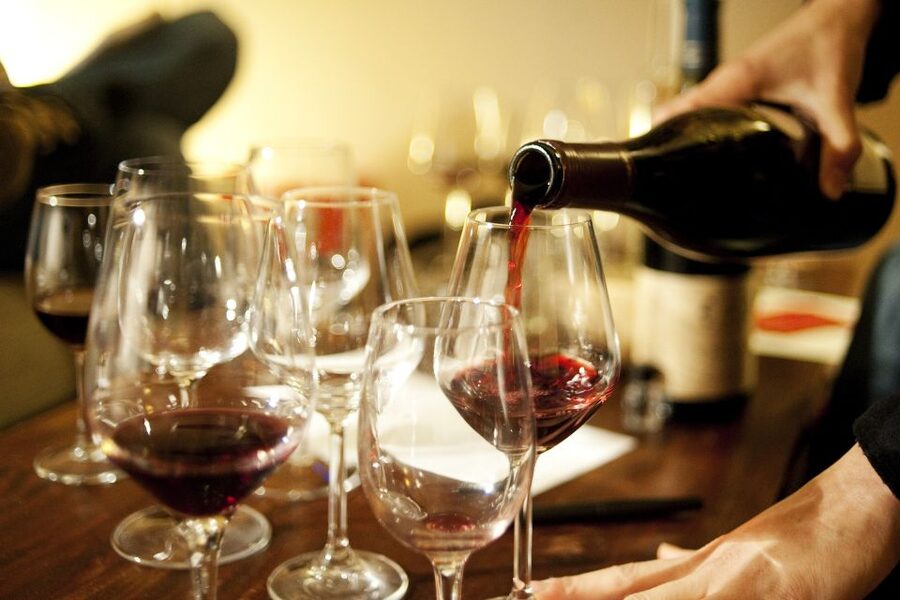
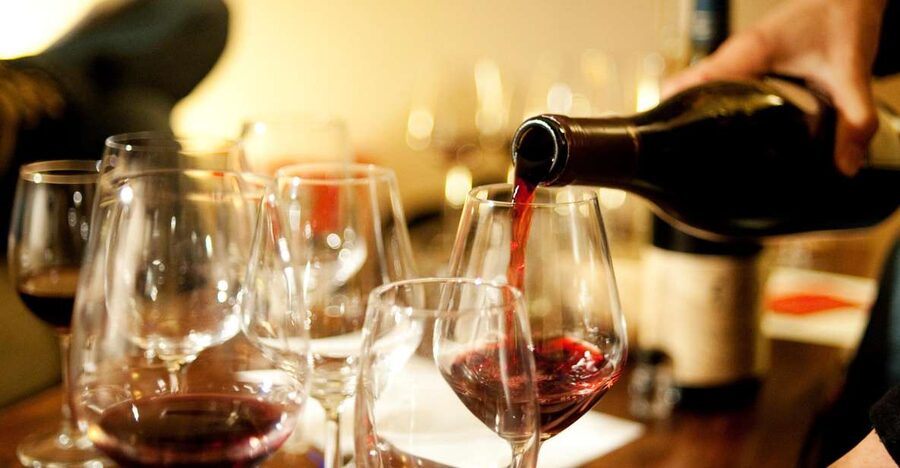
- Three French wines: Taste a selection chosen around the group’s interests, with bottles from independent producers.
- Cheese pairing: Compare wine with hard and soft cheeses, along with bread and water to refresh your palate.
- Soil made useful: Maps and real soil samples help explain the meaning of terroir.
- Small and social: The group is limited to eight people, making it easier to ask questions.
- English or French: Live instruction is available in both languages.
- A shop as well as a tasting room: You may find a bottle you want to bring home, but this is not a full meal or restaurant visit.
Starting inside a Paris cave à vin
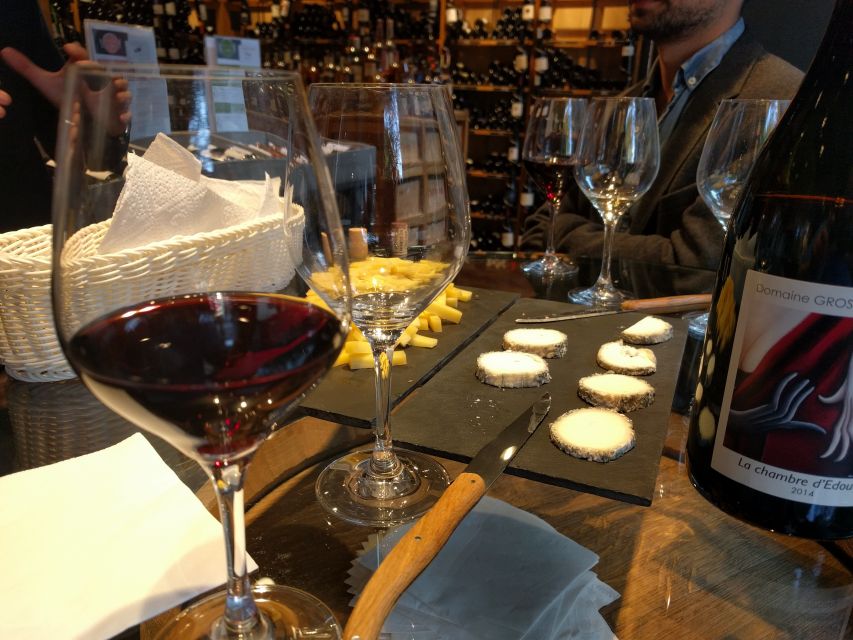
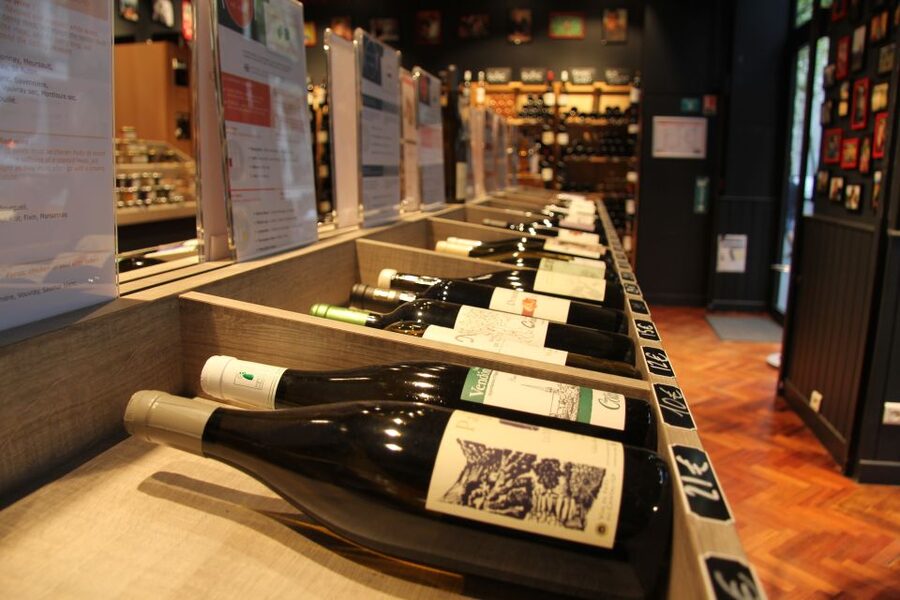
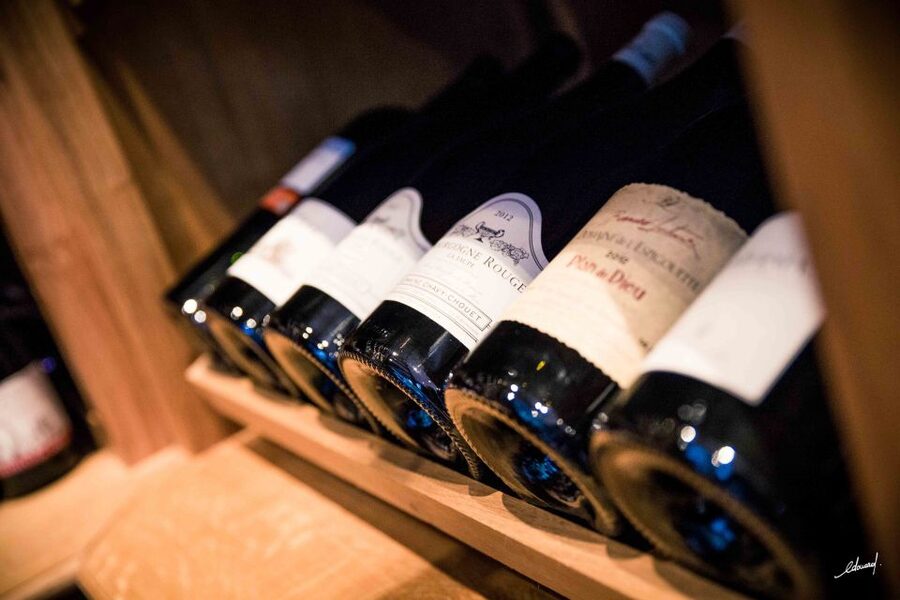
You begin by entering a boutique wine shop filled with red, white, and rosé wines from across France. The wall-to-wall bottles are not just decoration. They give you a chance to see how broad French wine can be before the tasting even starts.
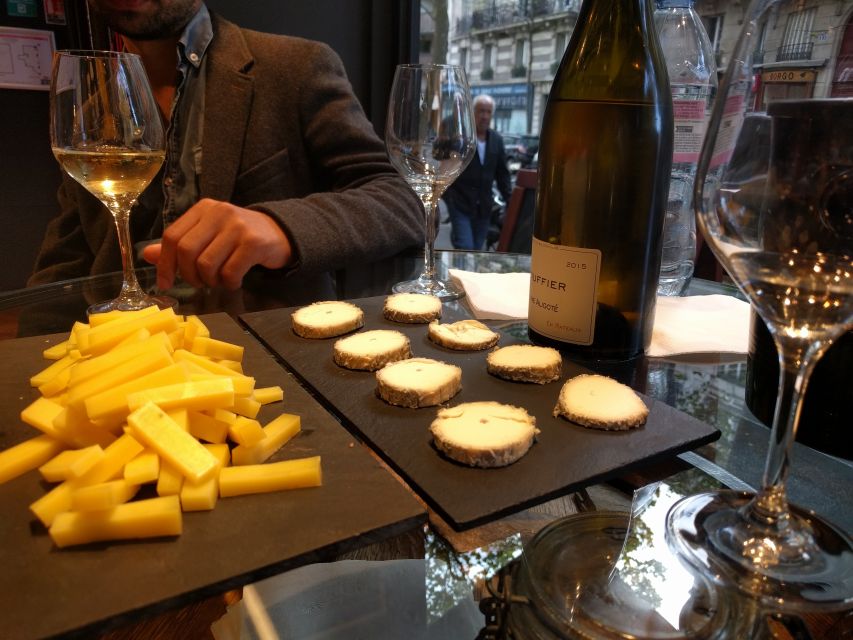
The prepared tasting area keeps the experience focused. You are not sitting at a restaurant table with a long menu or a formal meal. Instead, you settle in with the bottles, glasses, cheese, bread, and water while your wine expert sets the tone.
That shop setting has two useful advantages. First, the wines come from independent producers rather than a large, uniform commercial range. Second, you can often buy a bottle you tasted if one catches your attention. Several participants have done exactly that, which makes the experience more useful than a tasting where the wine disappears as soon as the session ends.
The setting is also worth keeping in perspective. If you want a grand cellar, a vineyard visit, or a multi-course food experience, this is not that. You are in a Paris wine boutique for 90 minutes. For many people, that is the point: it is compact, central in spirit, and easy to fit between sightseeing plans.
More Wine and Cheese Tastings in France
- Paris: Wine and Cheese Lunch
★ 4.9 · 596 reviews - French Wine, Champagne And Cheese Tasting Paris SECRET WINE DOOR
★ 5.0 · 464 reviews - Paris Art of Pairing Cheese and Wine Tasting in a Cheese Cellar
★ 5.0 · 386 reviews
How maps and soil explain French wine
The introduction covers France’s main wine regions and the basics of production. You learn why the country produces such a wide range of wines, and how grape varieties interact with local conditions.
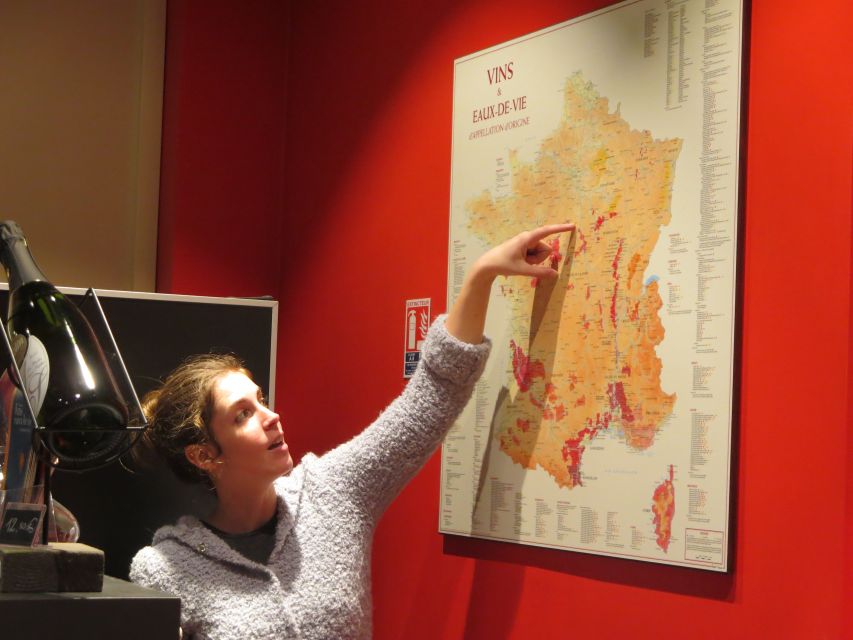
The useful word here is terroir. It refers to the relationship between the place where grapes grow and the character of the finished wine. Soil is one part of the picture, along with climate, terrain, and the way wine is made. The guide uses maps and authentic soil samples to make these ideas easier to grasp.
I like this approach because it gives you a way to read a French wine list later. Instead of trying to memorize a long string of regions and grape names, you can start asking practical questions. Is the wine from a cooler or warmer part of France? What grape is being used? What kind of soil and growing conditions helped shape it?
The session also looks at differences between grapes. One of the guides, Julian, has been praised for explaining where wines came from, how their flavors developed, and how grape varieties differ. That sort of explanation suits beginners because it connects what you taste in the glass with something concrete.
You do not need to arrive as a wine expert. One participant who described themselves as a basic wine drinker found the session useful for learning how to appreciate wine more. That is a good clue about the level: expect clear instruction, not a test of specialist knowledge.
Choosing three wines from independent producers
The tasting includes three types of wine, normally selected from different parts of France. Your wine expert may tailor the choice to the group’s interests, so the exact bottles can vary.
That flexibility is a strength. If your group wants to compare red and white wine, the guide can shape the session around that. If you are curious about a region or grape, you can ask about it. The experience is not built around a fixed set of famous labels that every group must taste.
The focus on small, independent producers also gives the tasting a point of difference. You are more likely to encounter a bottle you would not see on a basic restaurant list or in a large international wine chain. The selection is intended to help you discover something new, not simply confirm that the most famous French names are worth knowing.
Do not expect every wine to suit your taste. That is part of the value. The guide can explain what gives a wine its character, but you still decide what you like. A bottle that seems too dry, too light, or too strong may make more sense when compared with the next one.
The tasting can sometimes include an extra sample or a surprise pour, as happened for one participant. Treat that as a possible bonus rather than a guaranteed part of the booking. The dependable plan is three wines across the 90-minute session.
Cheese changes what you taste
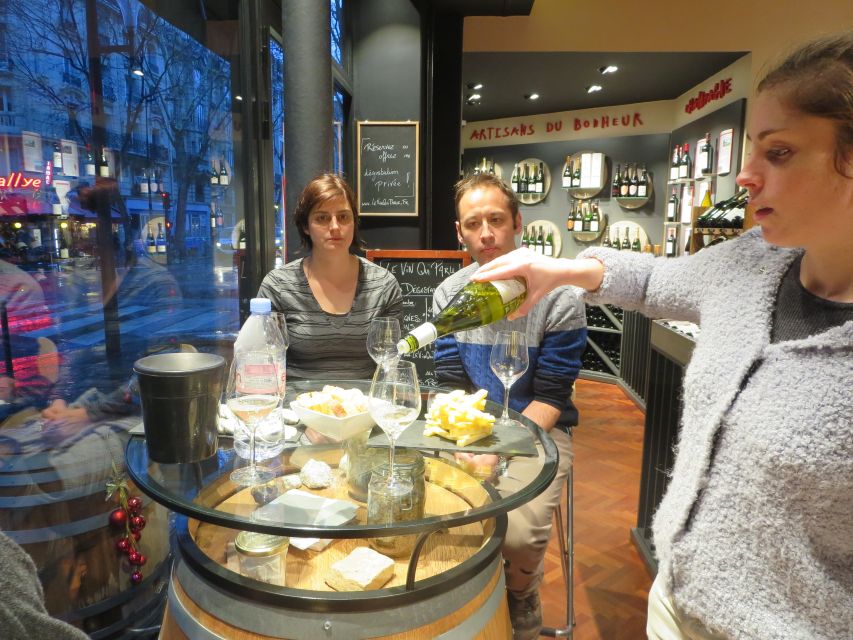
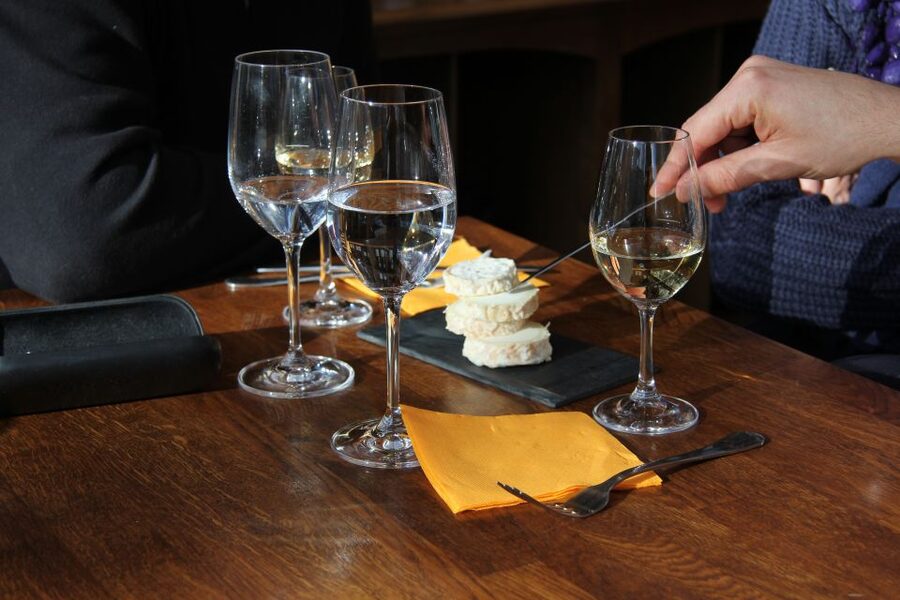
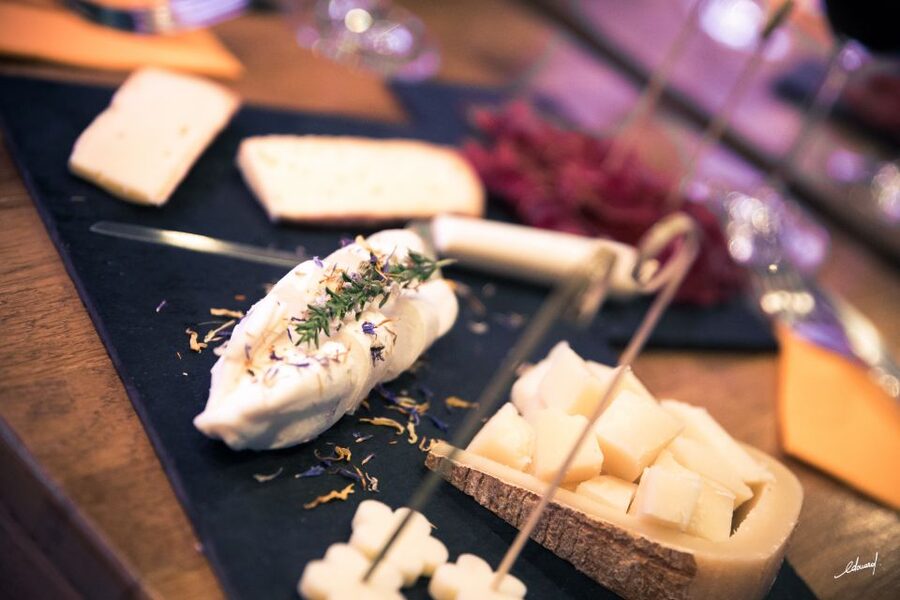
The wine is paired with French cheese from a nearby artisan shop. You can expect a hard cheese and a soft cheese, with the included details also describing three types of cheese. Since the exact number and selection can vary, check the option details when you book.
This part is simple but effective. Taste the wine on its own, then try it with cheese. A pairing can soften a wine, bring out fruit, make a dry finish seem rounder, or create a new flavor that was not obvious in the glass.
Bread and water are provided as palate cleansers. They are useful between samples, especially if you are not accustomed to tasting several wines in a short period. They also make the session feel more organized, though you should not treat the cheese and bread as lunch.
The cheese portion is one reason I would recommend this experience to couples or friends with different levels of wine interest. Someone who is unsure about wine can still take part through the food pairing, while a more experienced drinker can focus on regional differences and production methods.
The tasting is also a good reminder that there is no single correct wine choice. A bottle you do not enjoy by itself may work well with cheese. A wine that seems pleasant alone may become less appealing with a particular pairing. The guide shows you how to compare rather than simply telling you which bottle is best.
More Wine and Cheese Tastings in Paris
- Paris: Wine and Cheese Tasting with a Chef Sommelier
★ 4.7 · 277 reviews - Paris: French Wine and Cheese Guided Tasting
★ 5.0 · 201 reviews - Paris: Cheese and Wine Class in a 17th Century Cellar
★ 4.8 · 91 reviews
Guides who make room for questions
The tone depends on the guide, but the available feedback points to a friendly, relaxed teaching style. Camille has been singled out for warmth and clear explanations, while Julian has helped participants understand new grape varieties and cheese pairings. Constance has also led the session in English, explaining the process in an approachable way.
Leia has been praised for a pleasant and informative presentation, and other guides have explained wine production, tasting, and French wine history with care. Names may vary by date, so do not book with the expectation of a particular host unless your confirmation says so.
The best way to get value from this session is to ask questions. You can ask why a wine tastes different from another, how to choose a bottle with cheese, or what the regional terms on French labels mean. The guides are there to share their enthusiasm, and the small group makes it easier to speak up.
Instruction is available in English and French. If you are booking for an English-speaking group, the experience has been run in English by guides including Constance and Camille. The supplied information does not promise a private guide, so you should expect to share the session with other participants.
The limit of eight people matters here. A large tasting can leave you listening from the back while the host moves quickly through the bottles. With a smaller group, you have a better chance of seeing the maps and soil samples clearly and getting a direct answer to a question.
What the 90 minutes feel like
Ninety minutes is a sensible length for this format. It gives the guide time to explain French wine, present three pours, arrange the cheese pairings, and answer questions without turning the session into a half-day commitment.
The pace should feel measured rather than rushed, but this is still a tasting. You will not spend long periods studying each bottle or touring a production site. The experience is designed to give you a clear introduction and a few comparisons you can remember.
If you rarely drink wine, use the spittoon. It is provided for anyone who prefers to taste without swallowing every pour. That can help you stay comfortable while still noticing the differences between wines.
You should also plan ahead for the facilities. The boutique is not a restaurant, and its toilets may not be readily available or easy to access. Use a restroom before arriving rather than assuming one will be convenient during the session.
The meeting point can vary depending on the option booked. Read the final booking information carefully, especially if you are planning the tasting around a museum visit, dinner, or a train departure.
Is $76 a fair price?
At $76 per person, this is not the cheapest way to drink wine in Paris. You are paying for more than three glasses, though. The price includes a guided introduction to French regions, grape varieties, terroir, soil samples, cheese, bread, water, and the chance to ask questions in a group capped at eight.
The value is strongest if you want to understand what you are tasting. A casual glass of wine and a cheese plate will cost less, but it will not usually explain how France’s regions differ or help you compare wines from independent producers.
The price is less attractive if you mainly want a large amount of food or a long evening of drinking. The cheese portions are there to support the tasting, not replace dinner. You are also paying for an educational session, so the experience makes more sense for a curious beginner than for someone who already knows French wine well and wants advanced technical analysis.
Another useful value is the shop itself. If you find a wine you like, you may be able to buy a bottle before leaving. That gives the tasting a practical follow-up: you can continue the experience later, perhaps with a meal or cheese from another Paris shop.
Free cancellation up to 24 hours before the start gives you some flexibility, and you can reserve now and pay later. Those terms are useful if your Paris schedule is still shifting, though you should still check the exact option and meeting point before booking.
Who should book this Paris tasting?
I would choose this for a first-time wine drinker, a couple looking for a quieter Paris activity, or anyone who wants a useful introduction to French wine without leaving the city.
It also suits people who enjoy food pairings but do not want a full cooking class. The cheese makes the lesson more approachable, and the small group leaves room for conversation.
It may not suit you if you want a vineyard visit, a substantial meal, or a formal sommelier qualification-style lesson. It is also not the best choice for someone who dislikes wine entirely, though the guide and spittoon make it manageable for a casual drinker who wants to learn.
Should you book it?
Book this experience if you want to leave Paris with a better sense of why French wines taste different, not just with three samples in your memory. The strongest reasons are the independent-producer selection, the hands-on use of soil samples and maps, and the hard-and-soft cheese comparison.
Keep your expectations realistic. You are visiting a wine boutique, not a restaurant or vineyard, and the food is a tasting accompaniment. If that sounds right, $76 buys a friendly, focused introduction with enough variety to help you make smarter wine choices during the rest of your trip.
FAQ
How long does the Paris wine and cheese tasting last?
The tasting lasts 90 minutes.
How many wines are included?
Three types of wine are included. The exact selection may be tailored to the group’s interests.
How many cheeses are included?
The experience includes cheese tasting, with hard and soft cheeses described in the activity details. The included information also lists three types of cheese, so the exact selection may vary by option.
Is the tasting available in English?
Yes. Live guidance is available in English and French.
How large is the group?
The group is limited to eight participants.
Can I spit out the wine?
Yes. A spittoon is provided for anyone who does not want to swallow the wine.
More Cheese Tastings in Paris
- Cheese & Wine Tasting in Montmartre with Local Cheesemonger
★ 5.0 · 470 reviews - Paris: Walking Food Tour with Cheese, Wine and Delicacies
★ 4.7 · 323 reviews - Paris: Wine Tasting Experience with 6 Wines and Cheese Board
★ 4.9 · 80 reviews - Paris: Tasting of 3 Wine and 3 Cheese
★ 5.0 · 74 reviews
Just added around Paris
- Top Private Cruises in Paris with Champagne + more surprises★ 5.0 · 309 reviews
- Paris: Walking Food Tour with Cheese, Wine and Delicacies★ 4.7 · 323 reviews
- Private tour of Paris by Night with Champagne★ 4.7 · 323 reviews
- Paris: Wine Tasting Experience with 6 Wines and Cheese Board★ 4.9 · 80 reviews
- Paris: Seine River Champagne Dinner Cruise with Live Music★ 4.4 · 287 reviews
- Paris : Scenic Cruise on the Seine River with Champagne★ 4.0 · 81 reviews
- Paris: Tasting of 3 Wine and 3 Cheese★ 5.0 · 74 reviews
- Paris: Seine River Cruise with Champagne from Eiffel Tower★ 4.4 · 381 reviews
Wine & Cheese Tastings, compared.
Premium Henri Willig Cheese Tasting Experience
Read our review →
Vila Nova de Gaia: Port Wine Tasting with Cheese Pairing
Read our review →
Zaanse Schans and Cheese Tasting Guided Tour from Amsterdam
Read our review →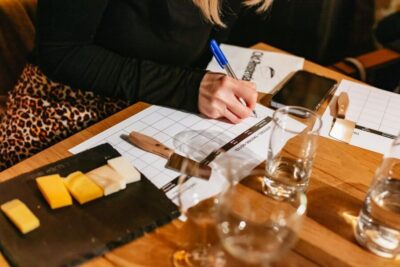
Browse the lists this tour appears in