
Review · MADRID
Madrid: Paella and Sangria Workshop in the City Center
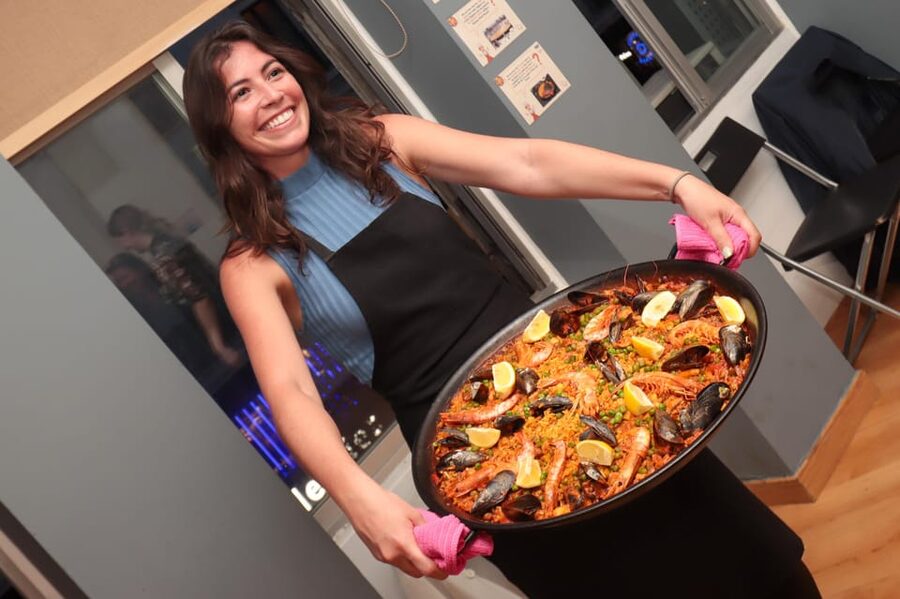
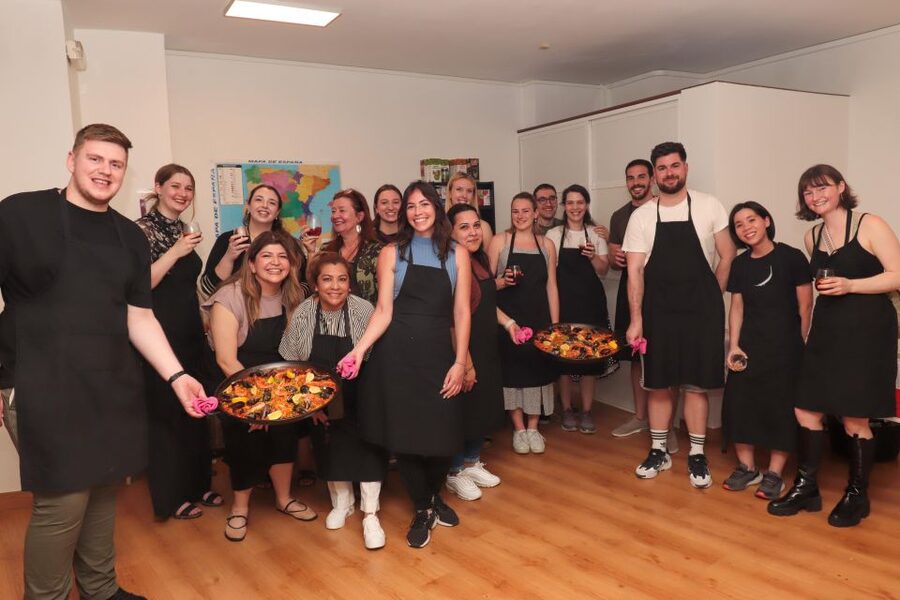
The best part of this Madrid workshop is that dinner is not simply served to you. You help make it, from balancing the sangria to building a traditional chicken and seafood paella in a paella pan. Hosts such as Ivan, Cristal, Miguel, and Dani keep the room moving with stories, jokes, and jobs for everyone.
I like the hands-on format and the easy social setting. You learn useful kitchen tips, then sit down with the people you met to eat the meal you helped prepare. I also like that you leave with recipes, not just a full stomach and a few blurry food photos.
The main consideration is the group format. This is a shared class, not a private cooking lesson, and the paella normally includes both chicken and seafood. Vegetarian and allergy options are available, but you need to send a message ahead of time.
What makes this three-hour class worth your time
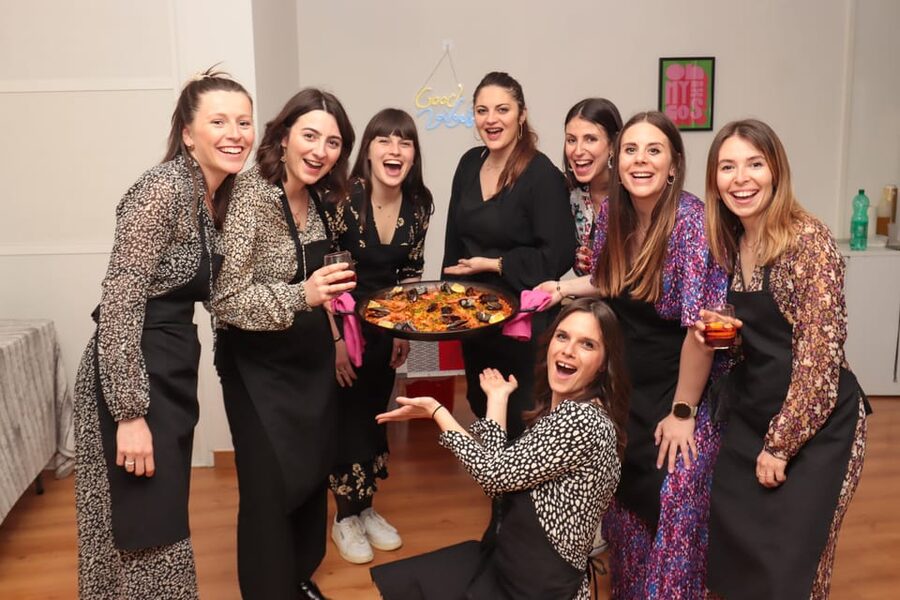
- You cook the main meal: Help chop, stir, and prepare paella rather than watching a chef do all the work.
- The paella follows a classic combination: The standard dish includes chicken and seafood, with alternatives available in advance.
- Sangria is part of the lesson: You make a balanced, refreshing version before the paella is ready.
- Solo visitors fit in well: Hosts divide tasks across the group and make a point of including people who arrive alone.
- The location is central: Meet outside Bon Vivant tattoo studio at Calle de la Montera, 24, then walk upstairs to the cooking space.
- You get practical value afterward: The recipes let you repeat both dishes at home.
Starting on Calle de la Montera, 24
Your meeting point is easy to describe but worth taking seriously. Go to Calle de la Montera, 24, and wait outside the building, directly in front of the Bon Vivant tattoo shop. The host meets you there before taking the whole group upstairs to the cooking space.
This arrangement means the street entrance is not the cooking venue itself. Arrive at the stated meeting point and look for the host outside the tattoo studio rather than wandering around the building looking for a restaurant sign.
The central location is useful if you are fitting the class between sightseeing stops. It also makes this a practical evening activity after a day around central Madrid. The experience lasts three hours, so allow enough time afterward if you have theater tickets, a train, or another fixed plan.
The class is offered in English and Spanish. Guides and chefs vary by session, with names such as Ivan, Javier, Miguel, Cristal, Anabel, Dani, Lila, and Guillermo appearing among the teaching team. The steady theme is a chef handling the cooking instruction while a host helps the group, explains the flow, and keeps conversation moving.
A few more tastings around Madrid worth a look
- Spanish Cooking Class Paella Tapas and Sangria in Madrid
★ 5.0 · 1,340 reviews - Paella Workshop with Bottomless Sangria in Central Madrid
★ 5.0 · 763 reviews - Madrid: Paella & Sangria Classes – Seafood, Chicken or Vegan
★ 4.9 · 201 reviews
Mixing sangria before the paella
The first cooking task is usually sangria. This is more useful than it may sound. Many people know sangria as a sweet pitcher ordered at a bar, but the class focuses on getting the balance right so it tastes refreshing rather than heavy.
You take part in the preparation, including pouring and mixing. The guide explains the recipe and the choices that affect the final flavor. You can then watch how the mixture changes as the ingredients come together, while having a glass as the class continues.
The drinks are an important part of the evening, but they also change the pace of the activity. Sangria gives the group an early shared task before the more involved paella preparation begins. The mood is social, and the hosts encourage conversation between people who may have arrived as couples, families, or solo visitors.
Sangria is included, and the experience is described as offering unlimited sangria. Soft drinks are also available. If you do not want alcohol, confirm the drink option when booking or message the provider in advance.
A little self-control helps here. Unlimited sangria can sound like the main event, but you still have a meal to prepare and eat. Pace yourself so you can enjoy the cooking and remember the recipe.
Learning the logic behind Spanish paella
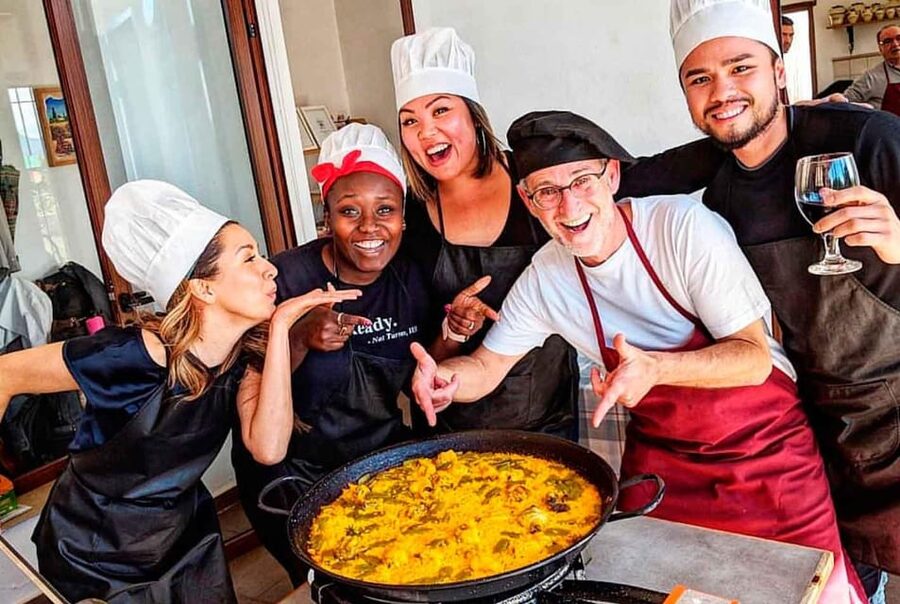
After the sangria, the chef introduces the basic ingredients of paella and explains the part each one plays. This is where the class offers more than a recipe card. You learn why ingredients are added at certain points and how the cooking process affects flavor and texture.
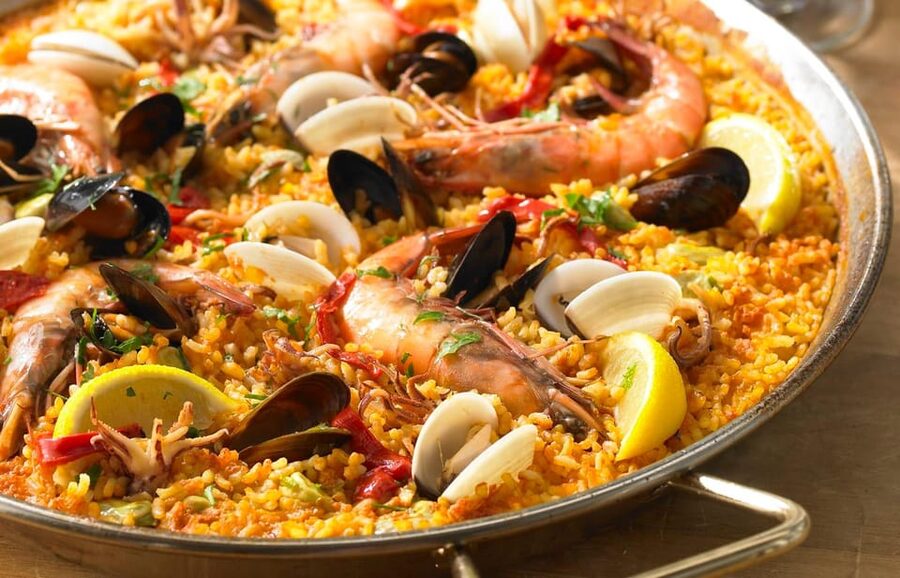
The standard paella includes chicken and seafood. The group helps with practical jobs such as chopping vegetables, preparing meat, and stirring. The work is shared, so you are not expected to manage the entire dish alone. Instead, you get a series of small tasks that show how the dish is built.
That setup is especially useful if you are new to cooking. You do not need previous experience, and the class is designed for beginners. The chef guides the group step by step and answers questions as the paella develops.
There is also a useful bit of Spanish food guidance tucked into the lesson: one session included the firm reminder not to put chorizo in paella. That small detail gives you a sense of the class’s approach. It is not just about throwing popular Spanish ingredients into one pan. The cooking lesson tries to separate familiar tourist ideas from the methods associated with traditional paella.
Cooking in the traditional paella pan
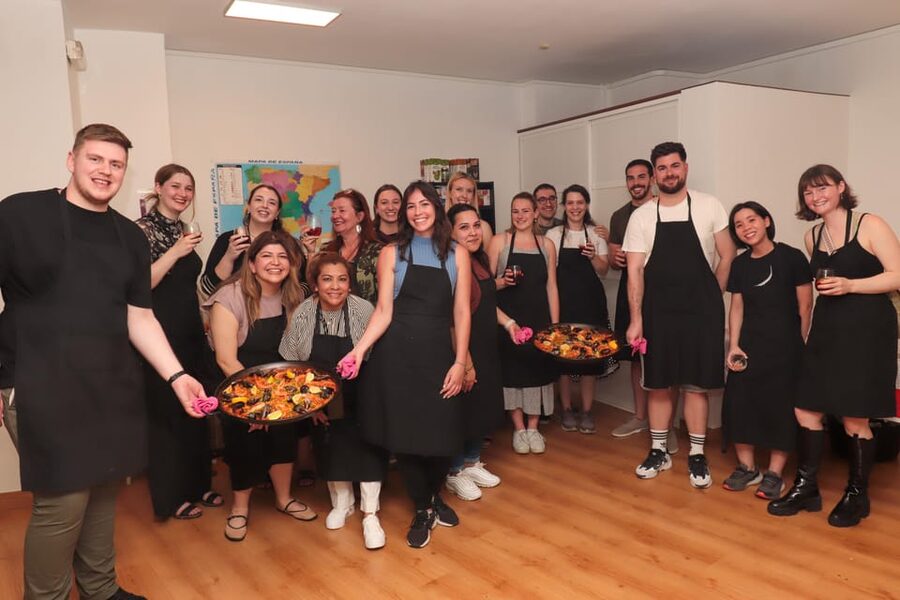
The paella is cooked in a traditional paella pan, which gives the lesson a clear focus. You see how the broad pan helps spread the ingredients and rice across the cooking surface. The chef explains the order of preparation and the importance of letting the dish develop rather than constantly treating it like a pot of rice.
You are not likely to leave as a professional paella chef after one class. This is a beginner-level workshop, and one participant described it as technically basic. That is not a weakness for most visitors. The value is in learning a repeatable method, understanding the main ingredients, and gaining enough confidence to try it at home.
The social structure also matters. Jobs are divided across the group to keep the cooking moving. Some people chop vegetables, others prepare meat or seafood, and others help with the pan. This keeps everyone involved without putting one person under pressure.
If you are hoping to make an individual paella from start to finish, this may feel less detailed than a private lesson. You will be contributing to a shared dish. If you want an approachable introduction with food, drinks, and company, that same structure works well.
Same town, a different glass:
- Madrid Tapas & Wine Tasting Walking Tour – Small Group Local Bars
★ 5.0 · 3,644 reviews - Toledo Tour & Vineyard Walk with Wine Tasting from Madrid
★ 5.0 · 2,546 reviews - Pub Crawl Madrid by Mad Party Crew
★ 5.0 · 2,526 reviews - Madrid: Tapas & Wine Tasting Tour with Local Guide
★ 4.8 · 2,171 reviews
Sitting down to eat what you made
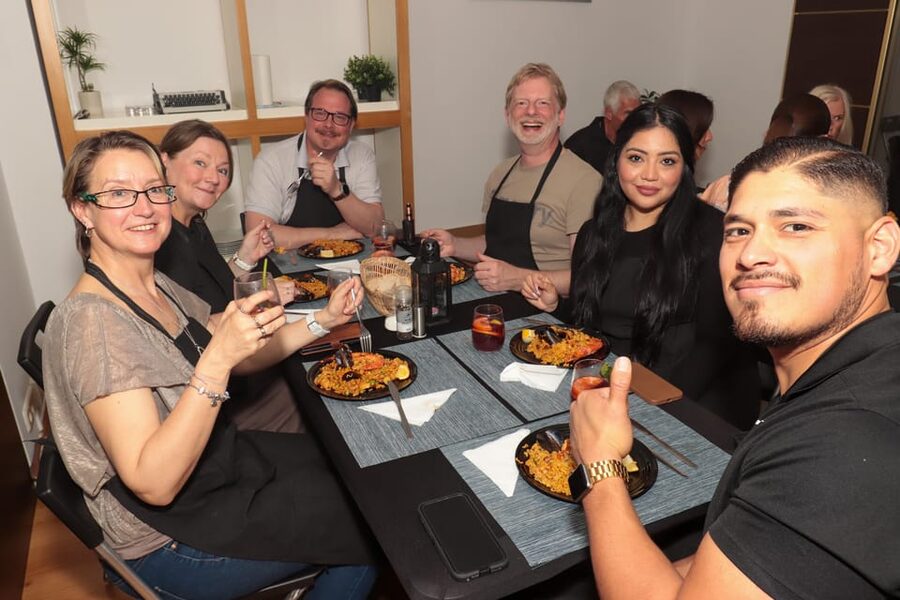
Once the paella is ready, you sit down and eat together. This shared meal is the payoff, but it is also part of the class. You can taste the result while the steps are still fresh in your mind, and you can ask the chef about the texture, seasoning, or ingredients.
The meal includes the paella you prepared, with chicken and seafood in the standard version. Sangria or soft drinks are included as well. Since the class takes about three hours, it functions as lunch or dinner rather than a short snack stop.
The shared table helps the experience feel more like a friendly meal than a formal cooking school. People arrive from different countries and often leave having made new connections. Several sessions included solo visitors who found it easy to take part, and hosts made a point of ensuring no one was left on the edge of the group.
That social element is one of the strongest reasons to book this instead of simply ordering paella at a restaurant. A restaurant gives you a finished dish. Here, you get conversation, a lesson, a group meal, and a recipe you can use later.
The tradeoff is that the pace and atmosphere depend partly on the group. If everyone joins in, the class can be lively and funny. If you prefer quiet dining or private instruction, a shared workshop may not be your ideal choice.
The guides set the tone
The chefs and hosts are central to the experience. Ivan is often praised for his energy, humor, cooking tips, and ability to involve the entire room. Other combinations, including Cristal with Ivan, Miguel with Lila, Dani with Ivan, and Anabel with Miguel, have also led sessions.
The names may change, but you can expect English or Spanish instruction and a friendly, interactive approach. The best hosts do more than explain measurements. They tell stories about paella and sangria, make room for questions, and keep the work moving when several people are cooking at once.
That balance is important. A class can fail if the chef talks too much and nobody cooks, or if the group is left to guess what to do. Here, the format gives you clear jobs while the hosts provide context and encouragement.
The instructors also appear comfortable with mixed groups. Couples, friends, families, and people arriving alone can all take part. A 14-year-old attended one session with a parent, but the supplied information does not state a formal minimum age, so check the booking details if age matters for your group.
Who will get the most from it
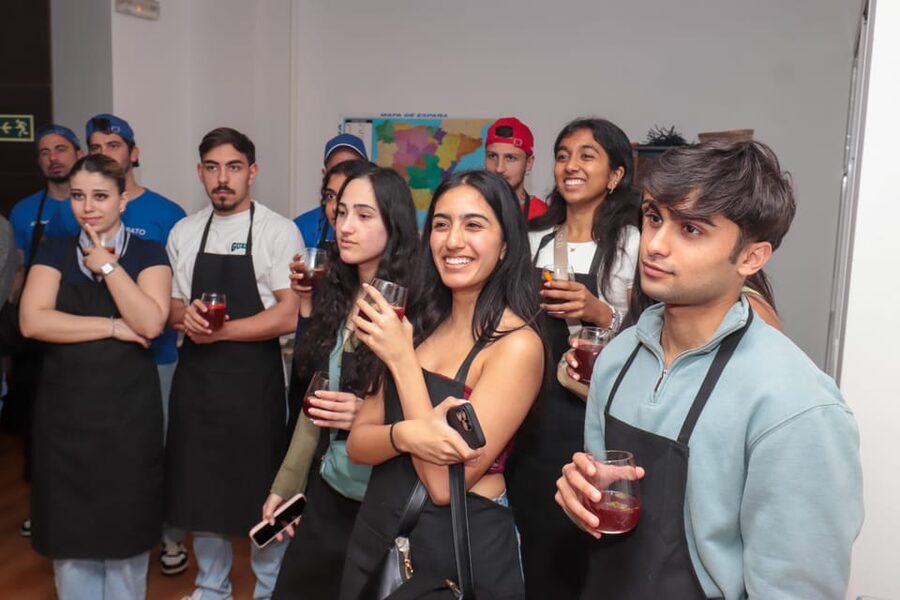
I would choose this class for you if you want a relaxed activity that combines food, drinks, and meeting people. It works especially well when you have already spent a day looking at Madrid’s major sights and want an evening that is more participatory.
It is also a strong choice for solo visitors. The group tasks give you an easy way to start talking to people, and the shared meal creates a natural end to the conversation. One solo participant even joined the group for drinks afterward, though that was a social choice rather than a promised part of the activity.
Couples can enjoy it too. You have enough structure to avoid awkward small talk, but enough free time to enjoy the meal together. Families with older children may find the chopping, stirring, and shared table appealing, provided everyone is comfortable with the group setting.
You may want another option if you are looking for advanced culinary training. This class is built for beginners. It teaches the basics clearly, but it does not promise restaurant-level technique or a private chef lesson.
You should also consider the standard ingredients. If you dislike seafood, have a serious allergy, or follow a vegetarian diet, contact the provider before booking. Vegetarian and allergy options are available when arranged in advance, but do not assume the standard pan will suit you.
Is $69 a fair price in Madrid?
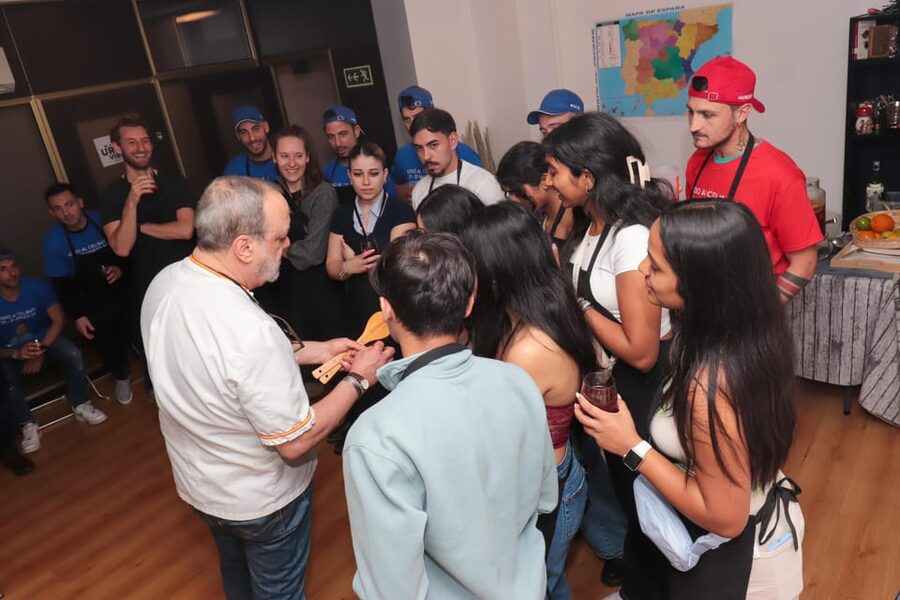
At $69 per person, the price is reasonable if you value the full three-hour format. You are paying for instruction, all ingredients and equipment, the paella workshop, the sangria workshop, the meal, drinks, and recipes to take home.
Compare it with a restaurant meal and the difference is clear. A restaurant may provide paella and sangria for less, especially if you choose a simple meal. It will not provide a guided cooking lesson, a social group, or the chance to repeat the dish later.
The value is strongest if you would otherwise book a separate food tour or cooking activity. This combines two popular Spanish food experiences in one session, with no need to arrange transportation between stops.
The price is less compelling if you only want to eat paella. In that case, a restaurant is simpler and probably cheaper. Book this for the activity and the shared meal, not simply for the quantity of food.
Flexible booking terms make it easier to fit into a changing Madrid schedule. You can reserve and pay later, and cancellation is free up to 24 hours before the activity for a full refund. Check availability for the exact start time because the class schedule varies.
What you take home besides the recipes
The practical souvenir is the set of paella and sangria recipes. That matters because the class is deliberately simple enough to repeat. You can remember the broad method, then use the written instructions when you want to cook for friends or family.
You also take home a better sense of what to watch for. The class explains ingredient order, flavor balance, texture, and the role of the paella pan. Those details can prevent common mistakes, especially if your previous idea of paella involved adding every Spanish ingredient you like.
The recipes are not a substitute for practice. Your home pan, heat source, ingredients, and serving size may differ from what you use in Madrid. Still, the workshop gives you a sensible starting point and the confidence to try.
My verdict: book it if you want to participate
Book the Madrid Paella and Sangria Workshop if you want a social, beginner-friendly evening where you help make dinner instead of simply ordering it. The central meeting point, English and Spanish instruction, hands-on cooking, unlimited sangria, and take-home recipes create strong value at $69.
I would be especially inclined to book it as a solo visitor, a couple, or a small group that enjoys meeting new people. Go in expecting a shared class rather than a private lesson, and remember to request vegetarian or allergy adjustments in advance.
Skip it if you want advanced technique, quiet dining, or a seafood-free meal without prior arrangements. For most visitors who want a tasty Madrid activity with real participation, this is a smart use of three hours.
FAQ
Where does the paella and sangria workshop meet?
Meet outside the building at Calle de la Montera, 24, directly in front of the Bon Vivant tattoo shop. The host waits there and takes the group upstairs to the cooking space.
How long does the activity last?
The workshop lasts three hours. Check availability for the exact starting time.
Is the class taught in English?
Yes. The instructors speak English and Spanish.
Do I need cooking experience?
No. The class is designed for beginners, and the chef guides you through the preparation step by step.
What ingredients are in the standard paella?
The standard paella includes chicken and seafood. Vegetarian and allergy options are available if you contact the provider in advance.
Are drinks and the meal included?
Yes. The activity includes the paella meal and sangria or soft drinks. The experience information also describes unlimited sangria.
Can I cancel the booking?
You can cancel up to 24 hours in advance for a full refund. You can also reserve now and pay later, subject to the booking terms.
Just added around Madrid
- Madrid: Toledo Day Trip with Winery Visit and Wine Tasting★ 4.4 · 177 reviews
- Personalised Traditional Madrid Night Tapas and Drinks Tour★ 5.0 · 95 reviews
- Madrid: Pub Crawl Madrid Running since 2005 Bar Exploration★ 4.1 · 221 reviews
- Madrid: Tapas & Wine Tour with Visit to a Rooftop★ 4.7 · 256 reviews
- Madrid: Pub Crawl | Free shot & Free Club entry★ 4.5 · 191 reviews
- Madrid: Flamenco Show with Tapas and Wine Tour★ 4.9 · 66 reviews
- Madrid: Paella & Sangria Classes – Seafood, Chicken or Vegan★ 4.9 · 201 reviews
- Madrid: Old Madrid Walking Food and Wine Tour★ 4.9 · 111 reviews
Drinks Tours, compared.
Unlimited Prosecco, Beer and Aperol Spritz Cruise
Read our review →
Evening Cruise with Optional Wine and Snacks
Read our review →
Douro Valley w/ Boat Tour, Wine Tasting & Lunch
Read our review →
Chichen Itza, Cenote & Valladolid Tour with Tequila and Lunch
Read our review →
Complete Douro Valley Wine Tour with Lunch, Wine Tastings and River Cruise
Read our review →
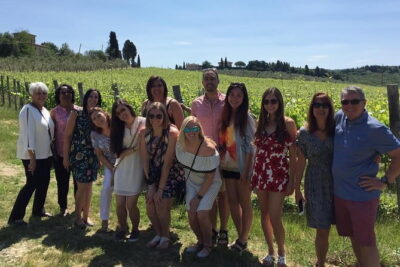
Small-Group Wine Tasting Experience in the Tuscan Countryside
Read our review →
Douro Valley with Winery Lunch, Tastings & Cruise
Read our review →Browse the lists this tour appears in