
Review · JAPAN
Osaka: Mind & Spirit Balance Temple Reiki Healing
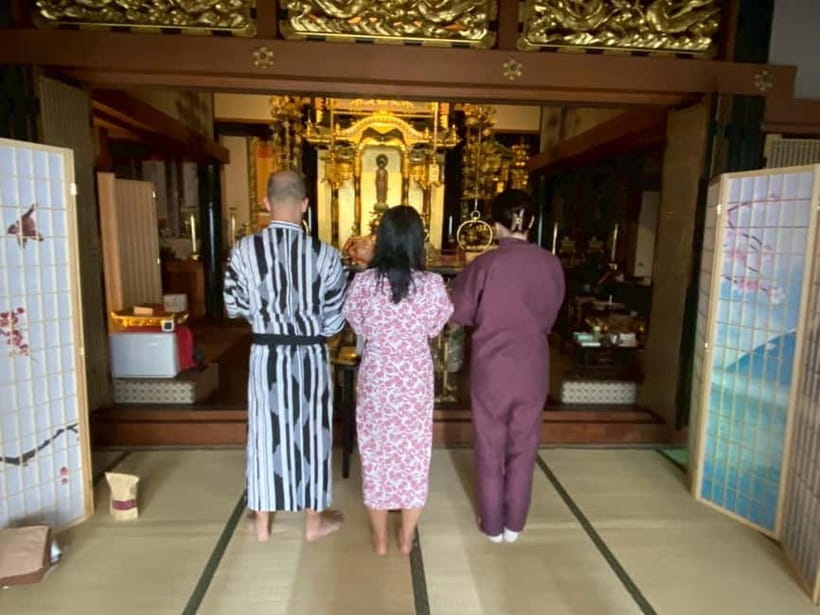
The most unusual part of this Osaka experience is its setting: a small temple in the heart of the city becomes a place for massage, meditation, Reiki, and tea. You change into a yukata, offer incense, listen to a temple introduction, and slow down before the treatments begin. Arisa and Naomi are named as members of the welcoming treatment team.
I like the thoughtful order of the visit, from foot bath and scrub massage to full-body oil massage, Reiki, and tea. I also like the small-group limit of three, plus the complimentary smartphone photo in your yukata. The main point to consider is privacy: treatments are individual, but the tea ceremony may be shared with other people.
Key points to know before booking
- Temple setting: Your massage and Reiki session take place inside a small Japanese temple in central Osaka.
- A full two-hour sequence: Expect a welcome drink, yukata, incense, meditation, foot care, oil massage, Reiki, and tea.
- Reiki is non-contact: It is presented as a Japanese energy-healing method focused on relaxation and emotional balance.
- Tea may be shared: The treatments are individual, but the tea ceremony is not guaranteed to be fully private.
- Small group size: The experience is limited to three participants, which keeps the setting quiet and personal.
- Meeting point matters: Enter Japanese Massage -the one&only- in Google Maps, not the temple name.
A temple visit with a very different purpose
Many Osaka temple visits are quick stops between shopping streets, food markets, and major sights. This one asks you to stay put for two hours and pay attention to how you feel. The temple is not simply a backdrop for a massage. You begin with a welcome drink, change into a yukata, and receive an introduction to the temple’s history and Japanese worship culture.
That opening gives the visit some shape. You are not rushed straight onto a massage table. Instead, you take part in a short incense offering and meditation with a bell and kneaded incense. These rituals help mark the change from sightseeing mode to rest mode.
I especially like this part for first-time visitors to Japan. You get a small lesson in traditional customs without committing half a day to a formal temple tour. At the same time, you should keep your expectations realistic. This is a wellness activity with cultural elements, not a full religious service or an in-depth study of Buddhism.
The temple’s central Osaka location also makes the experience practical. You can fit it into a day of sightseeing, or use it near the end of your trip when your legs and shoulders need a break. One guest even made the trip from Tokyo to Osaka for the experience, though that is a long journey for a two-hour appointment alone.
Other tastings people book around Japan:
- Tokyo Bar Hopping Tour in Shinjuku (All-You-Can-Drink + Dinner)
★ 5.0 · 3,587 reviews - Shibuya Meltdown Nightlife Tour: All-You-Can-Drink Bar Hopping
★ 5.0 · 1,058 reviews - 1-Day Snow Monkeys, Zenko-ji Temple & Sake in Nagano
★ 5.0 · 1,020 reviews
Getting to the correct entrance
The meeting instructions deserve close attention. In Google Maps, search for Japanese Massage -the one&only-. Searching for the temple’s name can send you to the back entrance, where it is easy to get lost.
If that search does not work, look for the restaurant Tossa de coracao. The treatment location is right next to it. This is the kind of small detail that can save you from starting a relaxing appointment with a frantic search through side streets.
The experience lasts 120 minutes, and starting times depend on availability. Arrive with enough time to find the correct entrance and settle in. The information provided does not give a precise arrival recommendation, so I would not cut it close.
The group limit is three people. That is small enough to keep the appointment from feeling like a large spa class, while still allowing the tea portion to include people outside your own booking. If you want the entire visit to be private, contact the provider before booking.
Changing into a yukata sets the tone
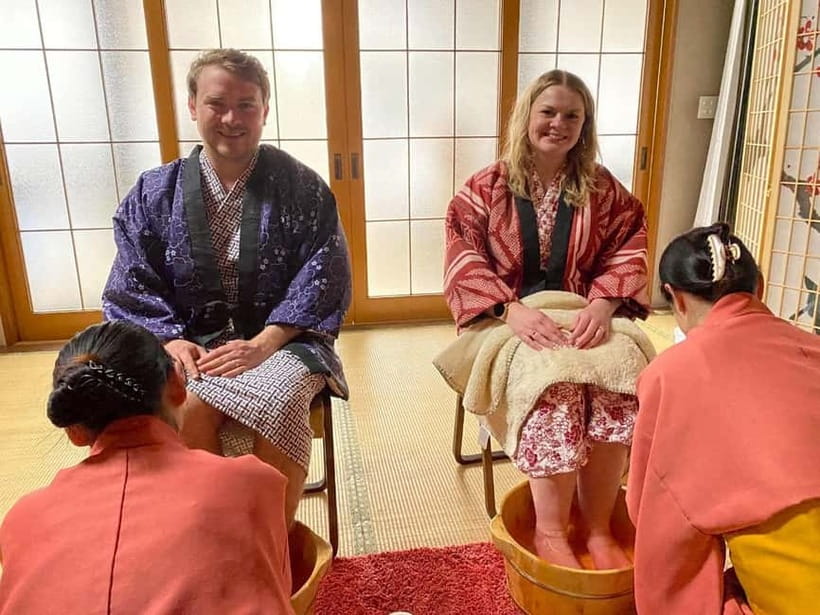
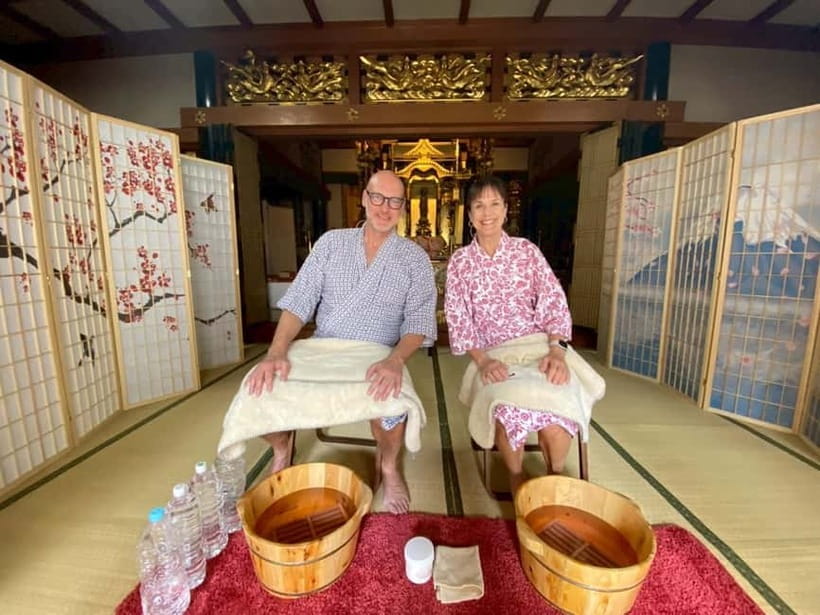
After the welcome drink, you change into a yukata. This is a simple but useful touch. A yukata is lighter and more relaxed than the clothes you wore while walking around Osaka, and it makes the temple visit feel distinct from an ordinary massage appointment.
You also receive a complimentary smartphone photo in the temple. Think of this as a keepsake rather than a professional photo session. The value is that you leave with a record of the setting and the yukata, without paying an extra photo fee.
The clothing experience is especially appealing if you want a Japanese cultural activity but do not want a formal kimono rental, hair styling, or a long photo shoot. It is brief and built into the wellness visit.
Incense and meditation before the treatment
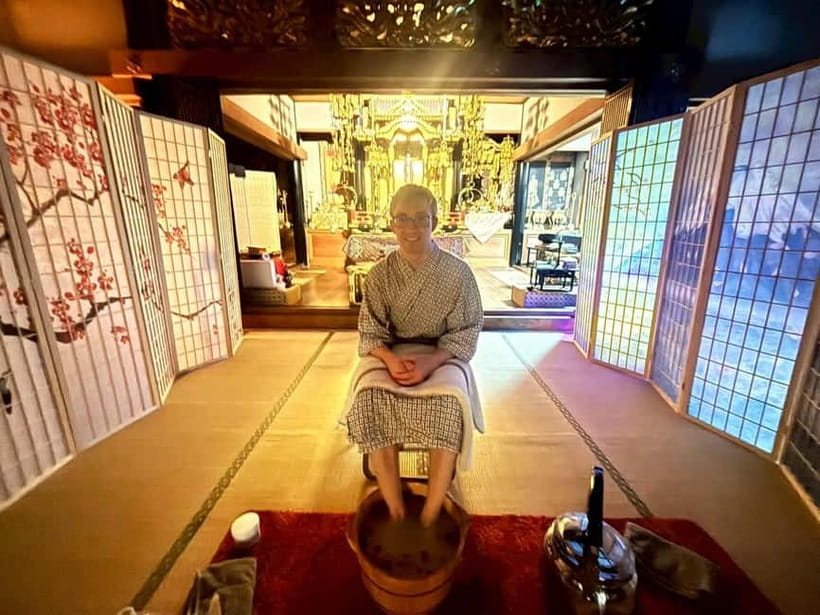
The temple portion includes an incense offering, a short explanation of the site, and an introduction to Japanese worship culture. You then meditate with a bell and kneaded incense.
These details matter because they give the treatment a calmer beginning. The bell and incense are not just decorations. They create a clear pause between the outside city and the quiet room inside. You are given something simple to focus on before the massage begins.
The wording around meditation is important. This is an introduction, not a long guided meditation course. If you already practice meditation, you may find it brief. If you are new to it, the short format is probably less intimidating and easier to fit into a sightseeing day.
The cultural explanation also helps you understand the setting with some care. You are visiting a working spiritual place, so it is worth following the staff’s instructions during the incense offering and temple visit.
Same town, a different glass:
- Osaka Bar Hopping Night Walking Tour in Namba (3 bars, 6 tastes)
★ 5.0 · 958 reviews - Tokyo: Pub Crawl and Bar Tour
★ 4.5 · 951 reviews - 3-Hour Kyoto Insider Sake Brewery Tour with Tastings & Pairings
★ 5.0 · 917 reviews - Nagano: Snow Monkeys, Zenkoji Temple & Sake Day Trip
★ 4.9 · 833 reviews
Foot bath and scrub massage first
The next stage is a foot bath with a scrub massage. After walking through Osaka all day, this may be the most immediately useful part of the appointment. You begin by caring for the part of your body that has probably done the most work.
The foot bath also works as a transition. Your feet warm up, the pace slows, and the treatment becomes more physical after the quiet incense and meditation. The scrub massage adds a little more attention than a standard foot soak.
The supplied information does not specify the exact water temperature, products, or length of the foot treatment. Do not expect a detailed reflexology session unless the staff explains that separately. The clear promise is a foot bath and scrub massage as part of the larger treatment.
Full-body oil massage and Reiki
The main hands-on treatment is a full-body oil massage with essential oils. This is the part to choose if you want more than a brief temple ritual. The massage is intended to help release physical tension, while the setting and slower pace support mental rest.
The experience also includes Reiki healing. Reiki is described here as a non-contact Japanese energy-healing method intended to promote deep relaxation and emotional balance. Since it does not involve physical contact, it differs from the oil massage and gives the session a quieter second half.
You should know what kind of activity this is before booking. Reiki is not a medical treatment, and the information provided does not promise treatment for any illness or injury. The sensible expectation is relaxation, stillness, and a traditional Japanese wellness practice.
The order may vary slightly, but the overall design moves from feet to full body and then toward quiet rest. That progression is one reason the appointment feels longer and more complete than a standard short massage.
The named staff members Arisa and Naomi appear in the experience information and guest feedback. Arisa is specifically described as working with care and professionalism, while Naomi is also mentioned as part of the treatment team. Staff assignments can depend on the day, so you should not assume a particular practitioner unless you confirm it in advance.
Matcha, wagashi, and a slower finish
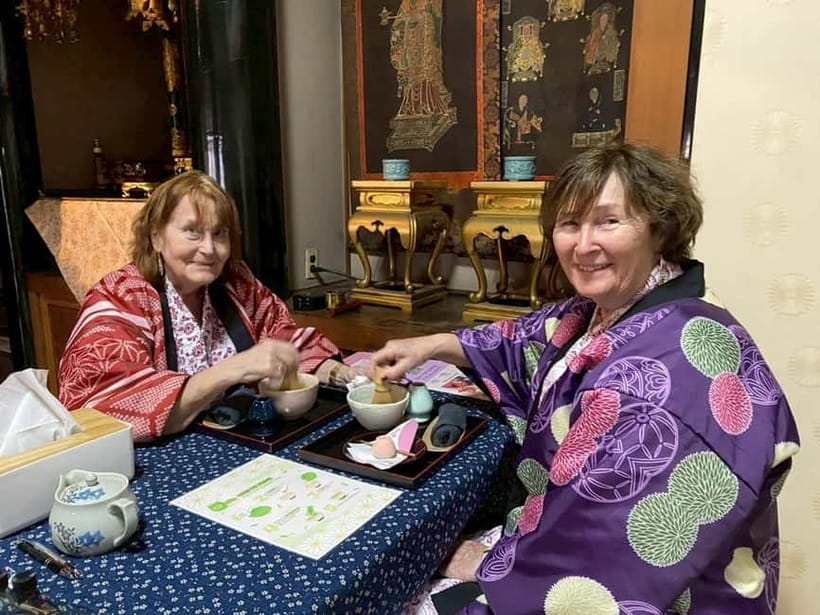
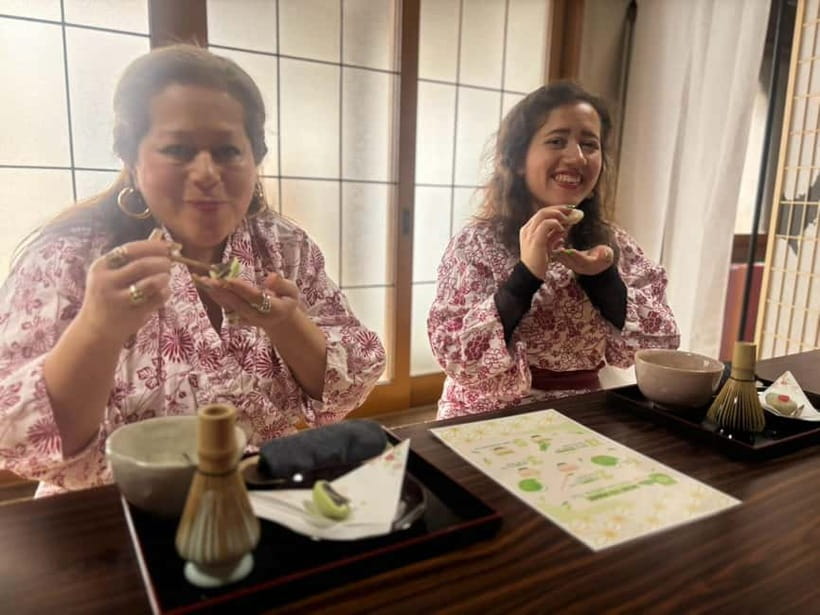
The final cultural portion is a traditional Japanese tea ceremony with matcha and wagashi, or Japanese sweets. The staff explain the ceremony’s cultural and historical background, so you are not simply handed a cup and left to guess what to do.
This is a smart way to finish. Tea gives you time to sit upright, return to normal conversation, and think about the experience before heading back into Osaka. The wagashi adds a small sweet counterpoint to the bitter matcha.
The tea ceremony may be shared with other people, even when your treatment is individual. That is the key privacy limitation in the experience. If you are booking as a couple, parent and child, or small private group, ask about a fully private arrangement before paying.
Do not expect the same length or formality as a dedicated tea ceremony school. Here, tea is one part of a two-hour program that also includes massage, Reiki, temple customs, and photography. For many people, that mix will be more useful than spending the entire appointment on tea alone.
What the $161 price includes
At $161 per person, this is not a budget massage. The price makes more sense when you count the parts included: welcome drink, yukata, temple introduction, incense offering, meditation, foot bath and scrub massage, Reiki, full-body oil massage, tea with wagashi, and a smartphone photo.
You are paying for a combined cultural and wellness appointment rather than a single treatment. A regular massage may cost less, and a separate temple visit may cost little or nothing. The value here is the convenience of having both in one calm setting, with a guide handling the cultural explanation.
I think the price suits someone who wants one polished, special activity during an Osaka stay. It may feel high if your main goal is simply a long massage or if you are not interested in incense, yukata, tea, or Reiki.
The strongest value comes from the variety. You can learn a little, rest your feet, receive bodywork, and leave with a photo. The trade-off is that no one element receives the full length of a specialized appointment.
Who will get the most from this experience
I would recommend this to you if you want a gentle introduction to Japanese customs without spending a full day at a cultural attraction. It also fits well after several days of walking, especially if your feet and shoulders need attention.
It is a good choice for couples, parent and adult child, or solo visitors who want something quieter than Osaka’s food and nightlife scenes. The small group limit helps, though the tea ceremony may include other people.
You should think twice if you dislike scented oils, do not want to change into a yukata, or expect a medical massage. You should also ask questions in advance if you need a fully private tea ceremony or want to request a specific practitioner.
The activity may suit people who are curious about Reiki, but you do not need to treat it as a belief test. You can approach it as a non-contact relaxation practice and decide for yourself how much meaning you want to attach to it.
Booking, cancellation, and small practical details
You can cancel up to 24 hours before the appointment for a full refund. The reserve-now, pay-later option also lets you hold a place without paying immediately, which is useful when your Osaka schedule is still shifting.
A live guide leads the visit, and the experience is limited to three participants. The listed language information is not clear, so confirm your preferred language before booking if that matters to you.
The most important practical step is entering the right meeting point into Google Maps. Use Japanese Massage -the one&only-, or search for Tossa de coracao and find the location next door. Do not rely only on the temple name.
Should you book the Osaka temple Reiki experience?
Book it if you want a two-hour reset with Japanese cultural touches, not just a massage. The temple setting, incense, yukata, tea, and photo make it more memorable than a standard spa appointment, while the foot bath and full-body oil massage provide clear physical comfort.
Skip it if you want a fully private tea ceremony, a long specialist massage, or a strictly religious experience. The tea may be shared, Reiki is a non-contact wellness practice, and the whole program divides its time among several activities.
For the right person, $161 buys a well-rounded break from Osaka’s busy streets. The treatment team, including Arisa and Naomi, has been praised for kindness and professional care, and the experience’s best feature is its balance of bodywork, quiet ritual, and simple cultural learning.
FAQ
How long does the experience last?
The experience lasts 120 minutes, or two hours.
What is included in the treatment?
It includes Reiki healing, a full-body oil massage with essential oils, a foot bath and scrub massage, a traditional tea ceremony with wagashi, a yukata experience, and a complimentary smartphone photo.
Is Reiki hands-on?
Reiki is described as a non-contact Japanese energy-healing method. The experience also includes a separate full-body oil massage.
Is the tea ceremony private?
The treatments are individual, but the tea ceremony may be shared with other people. Contact the provider if you want a completely private experience.
How many people can join?
The experience is limited to three participants.
What should I enter in Google Maps?
Enter Japanese Massage -the one&only-. Searching for the temple’s name may take you to the back entrance. You can also search for the restaurant Tossa de coracao, which is right next to the meeting point.
Can I cancel for a refund?
Yes. You can cancel up to 24 hours in advance for a full refund.
Can I reserve now and pay later?
Yes. The activity offers a reserve-now, pay-later option, so you can hold your plans without paying at the time of booking.
Just added around Japan
- Tokyo: Shinjuku Izakaya and Golden Gai Bar Hopping Tour (2h)★ 4.9 · 67 reviews
- Tokyo: Sushi Cooking Class with Sake Tasting★ 4.8 · 55 reviews
- Tokyo: Shinjuku Bar Hopping & Night Walking Tour★ 4.6 · 137 reviews
- Tokyo: Sushi and Ramen Cooking Class with Sake Pairing Set★ 5.0 · 81 reviews
- Tokyo: Ramen Tasting Tour with 6 Mini Bowls of Ramen★ 4.9 · 432 reviews
- Takayama: Authentic Sake Tasting at a Historic Brewery★ 4.8 · 50 reviews
- Shibuya Meltdown Night Tour: All-You-Can-Drink Bar Hopping★ 4.8 · 183 reviews
- Tsukiji: Unlimited Sake Tasting Experience★ 4.9 · 67 reviews
Japan Drinks Tours, compared.
Tokyo Bar Hopping Tour in Shinjuku (All-You-Can-Drink + Dinner)
Read our review →
Shibuya Meltdown Nightlife Tour: All-You-Can-Drink Bar Hopping
Read our review →
Osaka Bar Hopping Night Walking Tour in Namba (3 bars, 6 tastes)
Read our review →

3-Hour Kyoto Insider Sake Brewery Tour with Tastings & Pairings
Read our review →
Insider Sake Brewery Tour with Sake and Food Pairing
Read our review →
Browse the lists this tour appears in