
Review · BUDAPEST
8-Tier Hungarian Wine Tasting in a Cozy Downtown Wine Bar
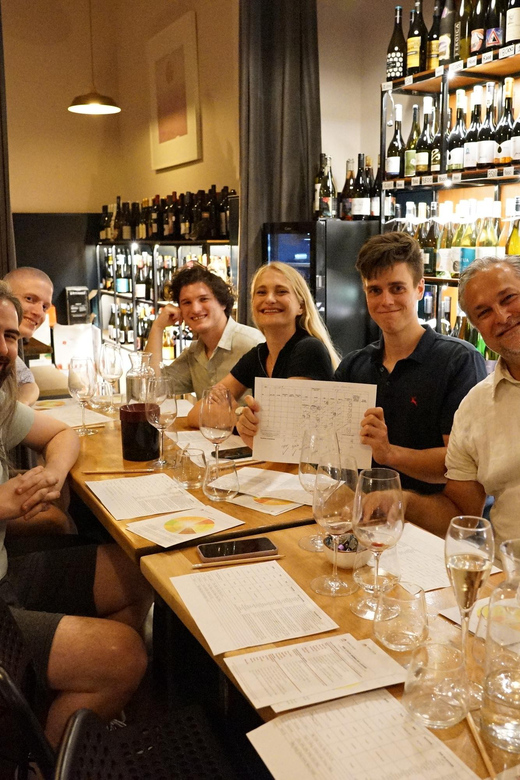
Hungary’s wine story is the star here. At Bortodoor, you work through eight Hungarian wines in a sensible order, from sparkling wine and whites to a light red and fuller reds, while your sommelier explains the grapes, regions, and changing fortunes of local winemaking. It is a useful introduction to a country many visitors know for Budapest baths and Tokaj, but not for its bottle labels.
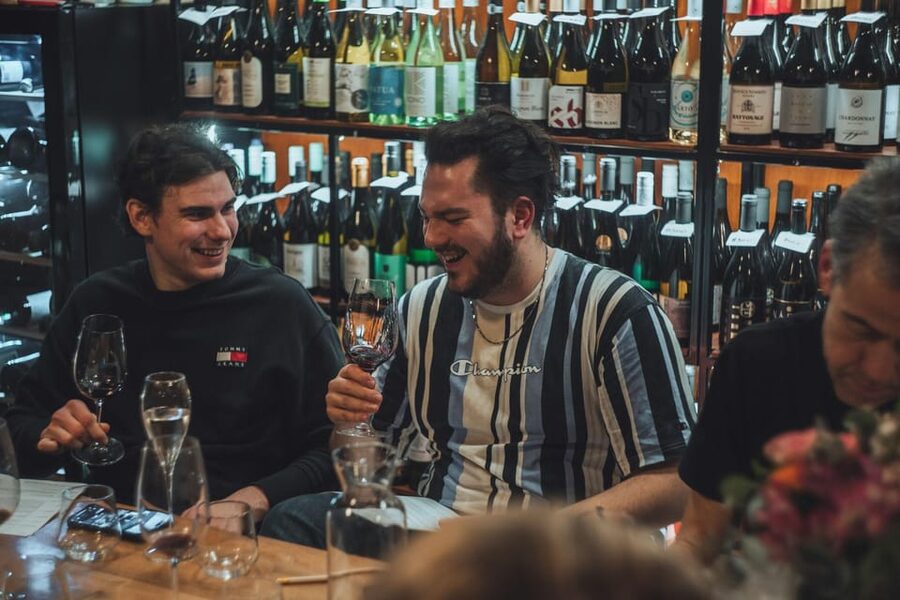
I like two things right away: the tasting is social rather than stiff, and the generous cheese, meat, and bread board gives you something real to eat as you sip. Guides including Sally, Suze, Smike, and Mike are praised for making the session conversational, with plenty of room for questions and humor.
The one caution is timing. The official session lasts two hours, but the relaxed pace, live music on some evenings, and tempting bottles at the bar can stretch the night well beyond that. Do not book a tight dinner reservation afterward.
Key points to know before booking
- Eight wines in a clear progression: One sparkling wine, three whites, one light red, and three reds give you a broad first look at Hungary.
- A social downtown setting: Bortodoor is a cozy wine bar with a white circular sign outside, not a remote vineyard or formal tasting room.
- Food is part of the value: Local Hungarian cheeses, meats, breads, olives, and other small bites accompany the wines.
- Strong guide-led experience: Sally, Suze, Smike, and Mike are known for explaining wine without turning the evening into a lecture.
- Plan for a flexible evening: Some groups stay afterward for more wine, conversation, or live music.
- Adults only: The tasting is not suitable for anyone under 18.
Starting at Bortodoor in central Budapest
You meet at Bortodoor, a downtown wine bar marked by a large white circular sign outside the door. Transportation is not included, so you make your own way there. The central location makes this easy to fit into an evening in Budapest, but you should allow a few minutes to find the entrance rather than arriving at the last second.
The room is warm, casual, and designed for lingering. This matters because the tasting depends as much on conversation as on formal instruction. You are not being marched from cellar to cellar or rushed through technical details. You settle in, meet the sommelier and the rest of the group, and begin with a glass of sparkling wine.
That opening glass is a smart choice. It gives everyone an easy first sip while the host sets the tone and introduces the idea that Hungarian wine is not one single style. The session is in English, and the guides use stories, history, and practical tasting advice to keep newcomers involved.
The bar may also be serving other customers, and on some evenings there is live music. That adds atmosphere, but it can mean the room is not perfectly quiet. If you want a silent, highly formal wine seminar, this is not that kind of experience.
More Wine Tasting Tours in Budapest
- Hungarian Wine Tasting (with Cheese and Charcuterie) in Budapest
★ 5.0 · 531 reviews - Budapest: Hungarian Wine Tasting with 8 Wines and Tapas
★ 4.9 · 446 reviews - Budapest: Essentials of Hungarian Wine Tasting Class
★ 4.9 · 174 reviews
The first four glasses: sparkling wine and whites
The tasting includes one sparkling wine followed by three whites. This section is useful because white wine shows off the range of Hungary particularly well. Your guide explains where the bottles come from, the grapes involved, and what to notice in the glass without assuming that you already know wine vocabulary.
You receive a tasting note page with information about Hungarian wine regions, a basic wine tasting guide, and space for your own observations. I like this practical touch. You can write down which wines appeal to you instead of trusting your memory after eight pours. The page also gives you something to use later when you try to find Hungarian bottles at home.
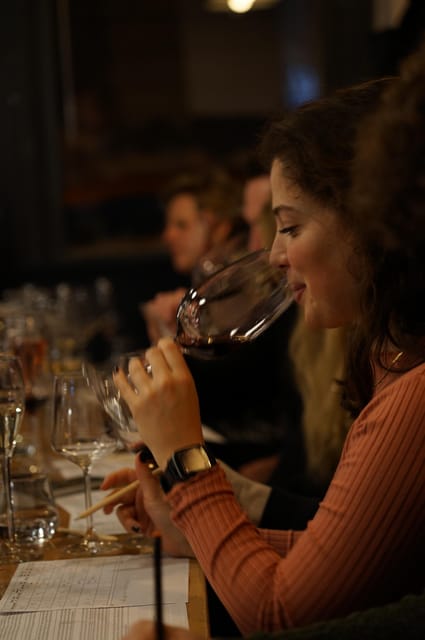
The guide may ask you to smell, taste, and compare the wines in different ways. That makes the early part interactive. You are not simply handed a glass and given a speech. You get help identifying what you like, even if your wine knowledge begins and ends with red or white.
The three whites also give you a good chance to discover a personal favorite. Some people arrive with only a passing knowledge of Hungarian wine and leave with a clearer sense of its regions and styles. The point is not to pretend every bottle will suit every palate. It is to give you enough range to make useful comparisons.
Food arrives alongside the tasting rather than as an afterthought. The artisanal board includes Hungarian cheeses, meats, breads, and, depending on the serving, items such as olives and other small snacks. The portions are substantial enough to make the two-hour session more comfortable, especially if you are tasting before dinner.
The light red and three fuller reds
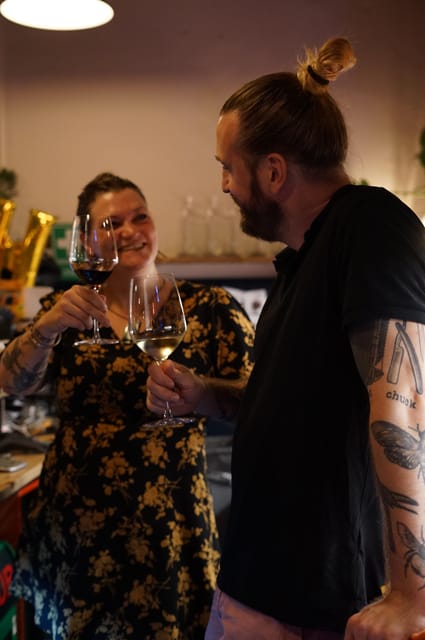
After the whites, the progression moves to one light red and three reds. This keeps the tasting from becoming a parade of similar glasses. The lighter red acts as a bridge, helping you notice how the wine changes as the body, color, and intensity increase.
The final three reds allow the sommelier to talk about bigger styles and regional differences. You may prefer one of these to the whites, or you may discover that Hungarian wine is not entirely to your taste. Both outcomes are useful. A good tasting should help you make choices, not pressure you into liking everything.
One of the best parts of the format is the chance to ask for more guidance. The hosts are described as willing to answer questions in detail, from winemaking methods to the story of Hungary’s wine regions. They also pay attention to the styles you enjoy, and the bar may let you try additional wines after the formal tasting.
Tokaj is often a memorable part of the discussion. The region is especially important to Hungary’s wine identity, and some visitors find its wines the highlight of the evening. The experience does not focus only on Tokaj, though. You get a wider look at Hungarian production, which is more useful if you want to understand the country rather than simply sample one famous style.
History without a classroom lecture
The historical material adds context without taking over the evening. Guides have discussed how Hungarian wine changed from Ottoman-era influences through imperial rule, the Communist period, and modern winemaking. That timeline helps explain why the country’s wine culture can feel both old and newly discovered.
I appreciate that the hosts connect history to the glass in front of you. A region is more than a name on a map. Political change, farming traditions, and shifts in production all affect what reaches the bottle. You do not need to memorize every date, but the larger story helps the wines make sense.
The guides also bring a personal enthusiasm that keeps the information from feeling dry. Sally is often singled out for her clear explanations and warm manner. Suze is known for her energy and passion, while Smike and Mike bring a playful, direct approach. The exact host depends on the session, but the format is built around an involved English-speaking sommelier.
This is especially helpful if you are new to wine tastings. You can ask a basic question without feeling out of place. More experienced drinkers still have room to discuss grapes, regions, and production choices. The best sessions find a comfortable middle ground between instruction and evening entertainment.
More Wine Tasting Tours in Hungary
- Private Wine Tasting in Budapest
★ 5.0 · 107 reviews - Budapest: Food Tour with Wine tasting By Foodapest™ 2025
★ 4.8 · 64 reviews - Food and Wine Tasting in Budapest City Center with Sommelier
★ 5.0 · 57 reviews - Szentendre and Visegrad Private Danube bend Tour With Wine Tasting and Lunch
★ 4.5 · 52 reviews
Food pairings that make the $55 price work
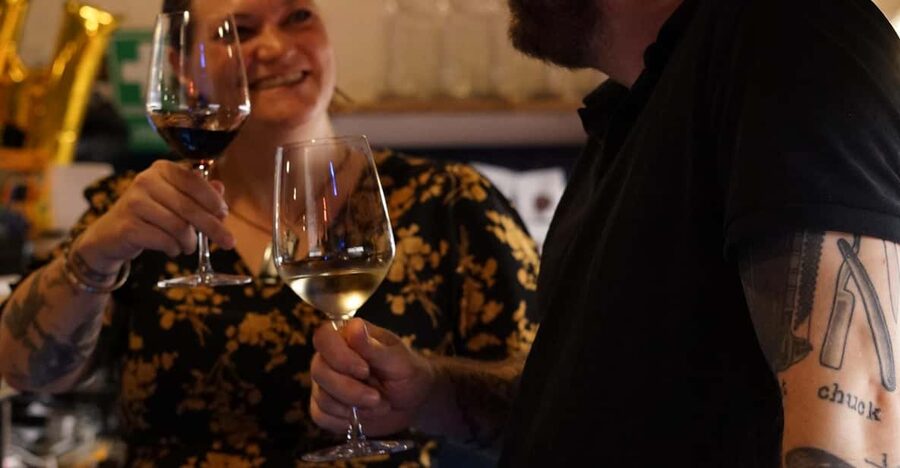
At $55 per person, the experience is not the cheapest way to drink wine in Budapest. It is also more than eight small pours. The price includes the guide, eight wines, the tasting note page, and the charcuterie board, which changes the calculation.
The food is important. Cheese, meat, bread, and other snacks help clear the palate and show how a wine behaves with food. You can test a sharper cheese against a white or see how a fuller red works with cured meat. That is more useful than tasting every wine alone.
The board also keeps the evening from feeling like an expensive bar crawl. You are paying for a guided sequence and context, not just alcohol. If you value an introduction to Hungarian regions and want a relaxed night out, the price is fair.
The value is less obvious if you already know Hungarian wine well or only want one specific bottle. In that case, a standard visit to the bar may suit you better. This session is strongest for people who want a broad introduction, help choosing favorites, and a social setting.
It is also possible to stay afterward and order more wine. Several people have treated the tasting as the start of their evening rather than its complete event. That is optional, so you can keep your spending under control, but the option is useful if you find a bottle you want to revisit.
A social evening, not a rushed tasting
The official duration is 120 minutes. In practice, the pace is deliberately unhurried. There is time between pours to talk with the people at your table, finish the food, ask questions, and compare notes.
That relaxed schedule is one of the experience’s strengths. You are not forced to swallow one sample before the next appears. You can pay attention to the wine and still enjoy the company. Solo visitors can fit into the group easily, while couples and small parties have enough structure to keep the conversation moving.
It can also be the main drawback. One person found the pauses a little long, while others stayed for several extra hours because the atmosphere was so easygoing. If you have a theater booking or dinner reservation immediately afterward, leave a generous gap.
Live music sometimes accompanies the evening, particularly on busier nights or weekends. That can make the bar feel more like a neighborhood nightspot than a classroom. It also means the sound level and exact mood may vary from one visit to another.
The group itself is part of the experience, but it cannot be guaranteed. The setting has brought together solo visitors and couples from several countries, and the tasting often encourages conversation between people who arrived as strangers. If you prefer complete privacy, choose a quiet bar visit instead.
Who will enjoy this Budapest wine tasting?
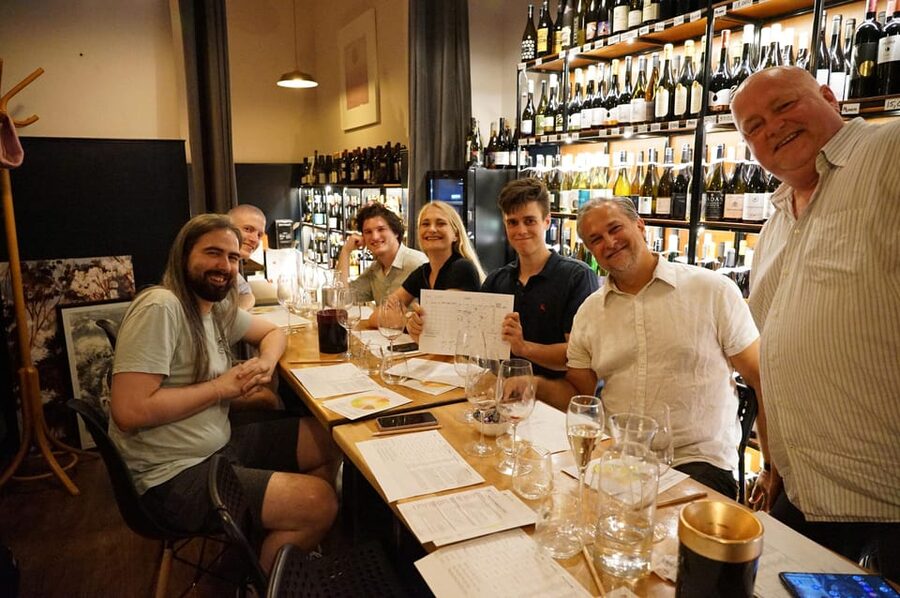
I would recommend this for an adult who wants to understand Hungarian wine quickly and pleasantly. You do not need prior wine experience, and you do not need to know the names of Hungarian grapes or regions before arriving.
It is also a good fit for:
- Couples looking for an evening activity with food included
- Solo visitors who enjoy meeting people over a shared table
- Wine drinkers who want more than the usual tourist bottle
- Curious beginners who prefer stories and conversation to technical lectures
- Visitors with an open evening who can stay for another glass or live music
You should think twice if you dislike group activities, cannot drink alcohol, or need a tightly controlled schedule. The session is for adults aged 18 and over, and transportation is not part of the booking.
If you have dietary needs, tell the team in advance. The food is a major part of the experience, and the hosts have been willing to note dietary requirements. Still, the supplied details do not promise a specific alternative menu, so ask before booking if this is essential.
Booking details and practical advice
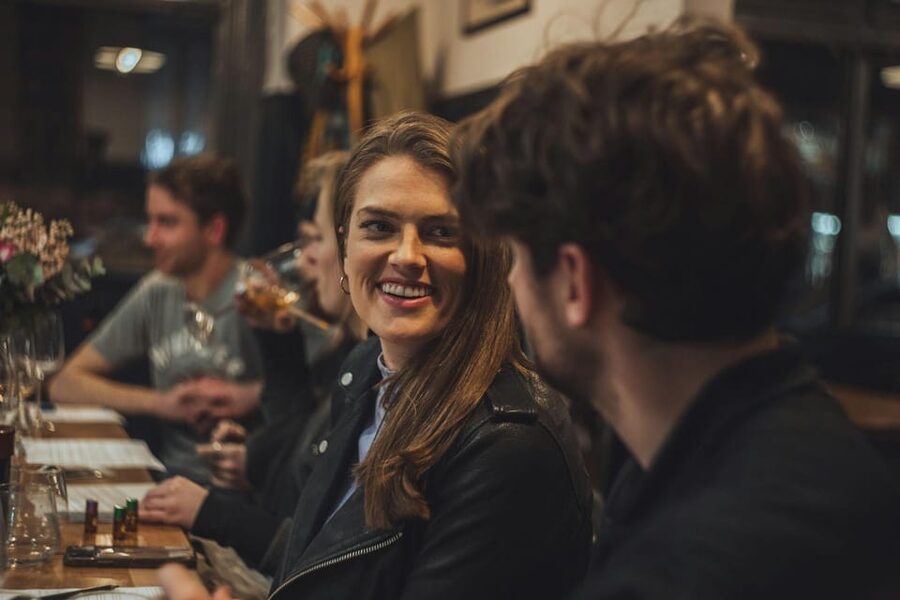
The activity costs $55 per person and lasts two hours. It is led in English, and you should check the available starting times because the schedule can change.
Cancellation is free up to 24 hours before the experience for a full refund. You can also reserve now and pay later, which helps if you are still arranging a Budapest itinerary.
Arrive ready to taste rather than rush. Eat a light meal beforehand if you are sensitive to alcohol, but do not arrive so full that you cannot enjoy the charcuterie. Wear something comfortable for sitting and conversation, and keep the rest of the evening open.
Most of all, take notes. Eight wines can blur together, especially once the reds arrive. Mark the bottles you like, ask where they are from, and check if Bortodoor can help you find another glass or bottle after the formal tasting.
Should you book the Bortodoor tasting?
Yes, if you want a friendly, well-paced introduction to Hungarian wine with enough food to make the price sensible. The combination of eight varied wines, an enthusiastic sommelier, local snacks, and a central bar gives you much more context than simply ordering a Hungarian bottle at dinner.
I would not book it for a quick stop between fixed plans. The evening often stretches beyond two hours, and part of its pleasure is the time to talk, listen to music, or stay for another glass. Leave room for the night to unfold.
For a first taste of Hungary’s wine culture, this is a strong choice. You may arrive knowing Tokaj and leave with several new names on your shopping list.
FAQ
Where does the wine tasting take place?
It takes place at Bortodoor, a wine bar in central Budapest. Look for the large white circular sign outside the door.
How long does the experience last?
The scheduled tasting lasts 120 minutes, or two hours. You may choose to stay longer for additional wine, conversation, or live music.
How many wines are included?
Eight wines are included: one sparkling wine, three whites, one light red, and three reds.
Is food included?
Yes. The price includes an artisanal charcuterie board with local Hungarian cheeses, meats, and breads. Other small snacks, such as olives, may also be served.
Is the tasting conducted in English?
Yes. The live guide speaks English.
Are children allowed to attend?
No. The activity is not suitable for children under 18.
Is transportation included?
No. You are responsible for reaching Bortodoor in central Budapest.
What does the $55 price include?
It includes the guided tasting, eight Hungarian wines, the charcuterie board, and a takeaway note page with information about Hungarian wine regions, tasting guidance, and space for personal notes.
Can I cancel or pay later?
You can cancel up to 24 hours in advance for a full refund. A reserve-now, pay-later option is also available.
More Wine Tastings in Budapest
- From Porto: Douro Valley w/ Boat Tour, Wine Tasting & Lunch
★ 4.7 · 19,061 reviews - Complete Douro Valley Wine Tour with Lunch, Wine Tastings and River Cruise
★ 5.0 · 12,920 reviews - Florence: Chianti Wineries Tour with Wine Tasting
★ 4.5 · 10,071 reviews - From Split: Krka Waterfalls, Food & Wine Tasting Tour
★ 5.0 · 9,326 reviews
Just added around Budapest
- Private Wine Tasting in Budapest★ 5.0 · 107 reviews
- Budapest: Bar Crawl Tour with Drinks and Shots Included★ 5.0 · 194 reviews
- Budapest Party District Bar-Hop with 2hrs Unlimited Drinks★ 4.5 · 90 reviews
- All You Can Drink Pub Crawl Through The Ruin Bars in Budapest★ 5.0 · 68 reviews
- Food and Wine Tasting in Budapest City Center with Sommelier★ 5.0 · 57 reviews
- Budapest Food Tasting Tour with Nelli & her local guides★ 5.0 · 190 reviews
- Cocktail Cruise and City Views on the Danube in Budapest★ 4.0 · 236 reviews
- Szentendre and Visegrad Private Danube bend Tour With Wine Tasting and Lunch★ 4.5 · 52 reviews
Wine Tasting Tours, compared.

Douro Valley w/ Boat Tour, Wine Tasting & Lunch
Read our review →
Complete Douro Valley Wine Tour with Lunch, Wine Tastings and River Cruise
Read our review →
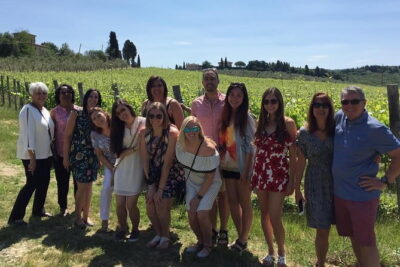
Small-Group Wine Tasting Experience in the Tuscan Countryside
Read our review →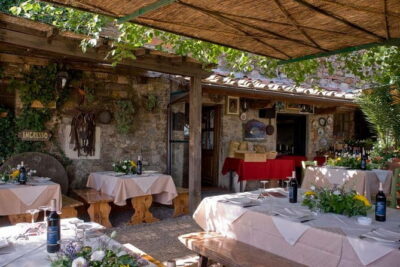
SMALL-GROUP Wine Safaris: Tuscan Wine Tasting Tours from Florence
Read our review →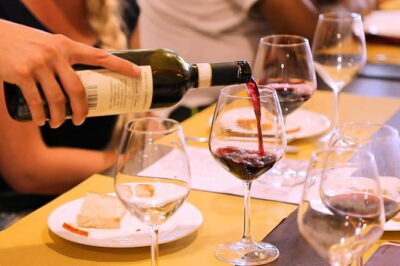
San Gimignano, Siena, Monteriggioni, Chianti Day Trip with Lunch & Wine Tasting
Read our review →
Cálem Cellar Tour, Interactive Museum & Wine Tasting
Read our review →
Browse the lists this tour appears in