
Review · MONTEPULCIANO
Montepulciano: Winery Tour and Tasting
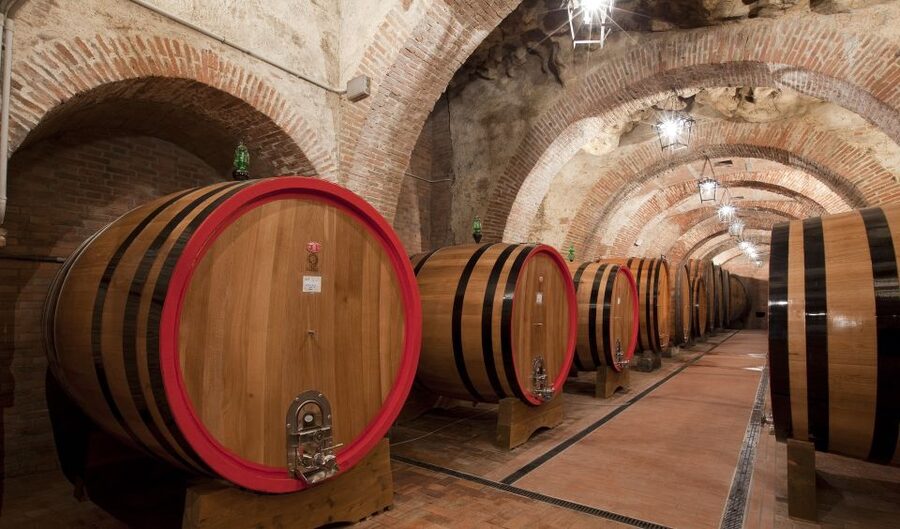
Montepulciano’s most memorable wine setting is underground. At Talosa Cantina Storica, you walk down into a 16th-century cellar with brick stairs, old vaults, tunnels, huge wooden barrels, and an atmosphere that feels far removed from the town above.
I like the mix of place and tasting here. You get real context for Montepulciano’s wines, then sit down with a sommelier to try four regional bottles with Tuscan snacks. The main thing to consider is the steep descent and narrow passageways, which make this a poor choice for wheelchair users or anyone with serious mobility limits.
Key points
- A genuine underground setting: Explore a cellar dating from the 16th century, with vaulted rooms and tunnels.
- Four regional wines: Taste well-known Tuscan wines, including Rosso di Montepulciano and Vino Nobile di Montepulciano.
- Strong guide-led teaching: Guides such as Luigi, Hector, and Flavio explain grape varieties, soil, production, and aging.
- Traditional food with the wine: Bread, water, appetizers, cheese, and cured meats accompany the tasting.
- A compact 90-minute visit: The timing fits neatly into a day of sightseeing in Montepulciano.
- Important access warning: Expect steep stairs, low sections, and an underground route that is not suitable for wheelchairs.
Entering Montepulciano’s old cellar
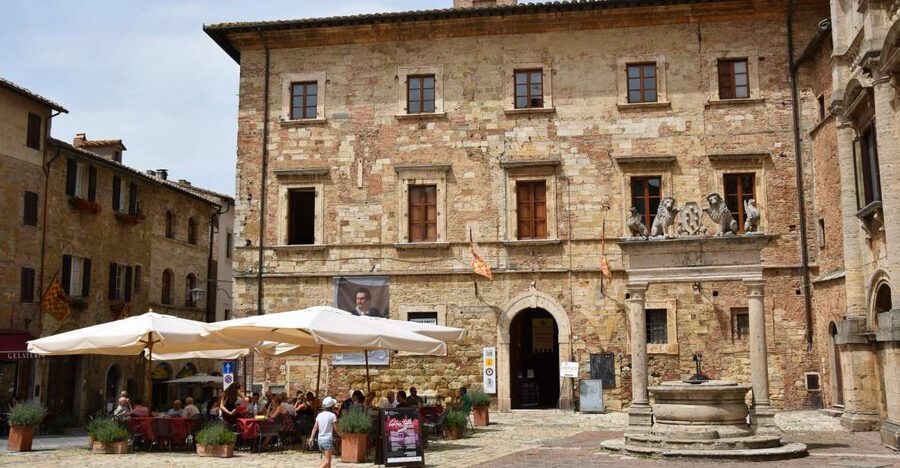
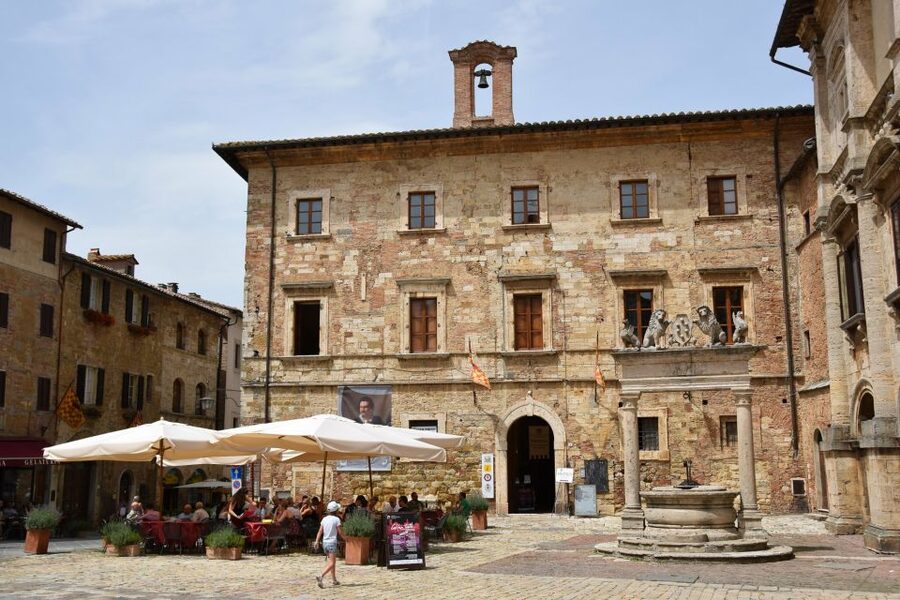
You meet at Talosa Cantina Storica in the heart of Montepulciano. There is no hotel pickup or drop-off, so plan to make your own way to the cellar and allow a little time to find the meeting point among the town’s steep streets.
The tour begins by taking you below street level. The descent is part of the appeal, not just a way to reach the tasting room. You pass through old brickwork and tunnels before reaching the cavernous cellar, where large wooden barrels give the space its character.
One section may require you to bend slightly as you pass through. The stairs can also be challenging. If you have walking difficulties, ask at the start if an easier street-level door can be used. One previous participant found that entering through a street door at the end would have been a better option at the beginning.
The cellar’s past adds another layer to the visit. Along with its wine-making role, the underground space has been used as a prison and as a shelter during World War II. There was also a church in the complex, and people lived in parts of the cellar during wartime. These details turn a standard tasting into a look at how old Tuscan buildings have served many purposes over the centuries.
More Winery Tours in Italy
- Tuscany Day Trip from Florence: Siena, San Gimignano, Pisa and Lunch at a Winery
★ 5.0 · 21,634 reviews - Florence: Chianti Wineries Tour with Wine Tasting
★ 4.5 · 10,071 reviews - From Florence: Siena, San Gimignano, Pisa & Lunch at Winery
★ 4.8 · 4,538 reviews
What the vaults and tunnels add
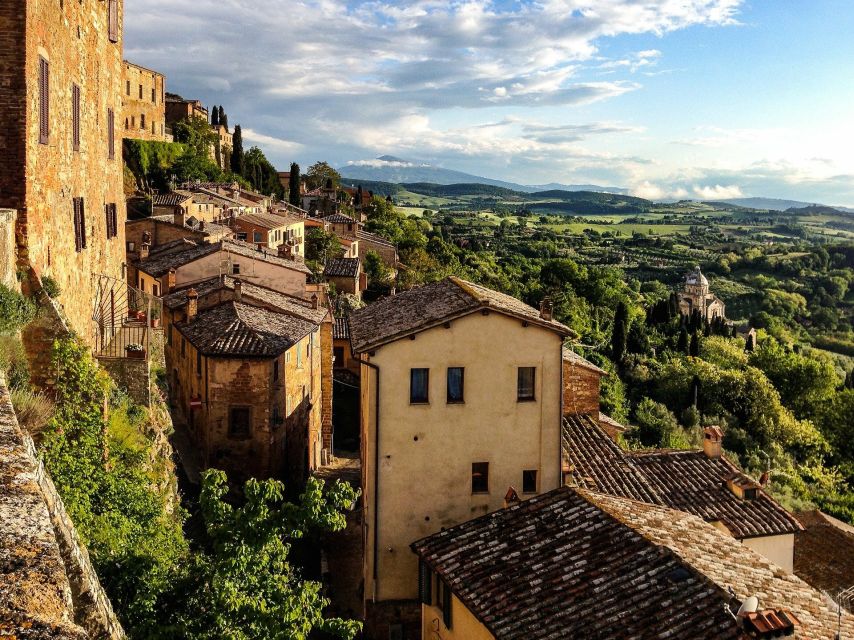
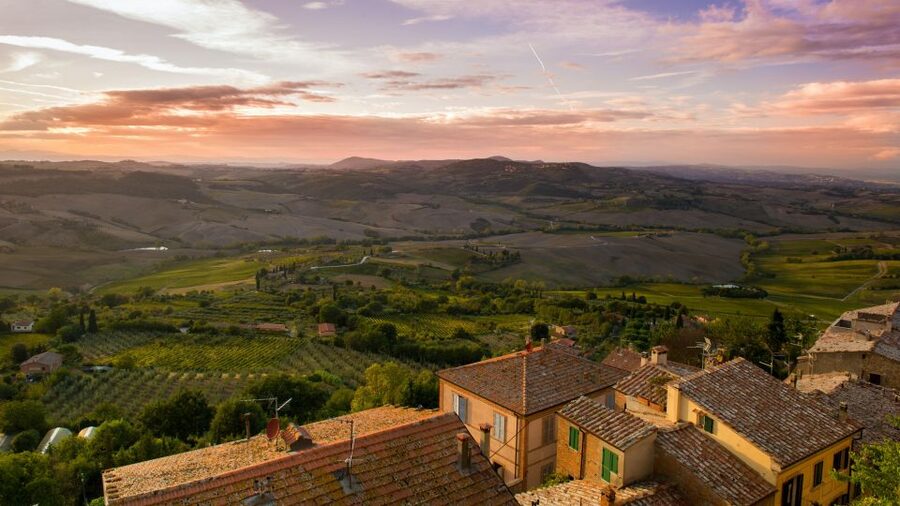
A vineyard tour usually puts the focus on rows of vines and open views. This one gives you something different. You see where wine is stored and aged inside Montepulciano itself, surrounded by stone, brick, shadow, and massive barrels.
The setting is especially good for anyone who enjoys old buildings as much as wine. The vaults and tunnels provide the strongest visual part of the visit, and the underground rooms help explain why cellars matter in a warm Italian climate. They offer a stable place for wine to rest, even though the cellar is also an atmospheric historical space.
Do not expect a large estate visit with a long walk through vineyards or a full production facility. The tour is compact and centered on the cellar. That makes it easy to fit into your day, but it also means the historical rooms and tasting carry most of the visit.
The lighting may not always be perfect. A temporary lighting problem once required the group to adjust the order of the visit, though the cellar tour and tasting still went ahead. This is a working old space, not a polished museum set, and that is part of its appeal.
Meeting the sommelier
After seeing the cellar, you settle in for the wine tasting with an expert guide. Luigi is praised for explaining Italian wine with patience and clarity, while Hector and Flavio have also led English-language tastings. The guides speak Italian and English.
The best part of the presentation is its practical tone. You learn about the local grapes, production methods, soil types, and aging process rather than simply being handed a glass and told whether you should like it. A good guide helps you notice the differences from one wine to the next.
The explanations also connect the bottles to the area around Montepulciano. You hear about regional traditions and the way grape variety, soil, and production shape the final flavor. If you are new to Italian wine, this is useful because the names and classifications can otherwise feel like a jumble.
English-language guiding is generally available, but the exact flow can depend on the group. If most people speak Italian, questions and answers may move between the two languages. One English-speaking couple found that Italian questions were not always translated, even though the guide answered their own questions well. If you want every part of the discussion in English, ask the guide at the beginning.
Four Tuscan wines at the tasting table
The tasting includes four of the region’s best-known wines. You can expect to sample wines from Montepulciano, including Rosso di Montepulciano and Vino Nobile di Montepulciano. The tasting is designed to show how different wines from the same broad area can vary in style and flavor.
Vino Nobile is the name most closely tied to Montepulciano’s reputation. Rosso offers a useful comparison, giving you a chance to consider how a younger or differently styled wine compares with a more prestigious bottle. The sommelier explains the differences as you taste, which is far more useful than trying to remember technical notes from a menu.
The pours can be generous. One recent participant described receiving a full glass for each tasting, so pace yourself and avoid treating the four samples like tiny sips. The experience lasts only 90 minutes, but four substantial pours can add up quickly.
You do not need to arrive as a serious wine drinker. The guide’s role is to explain what you are tasting in plain terms, and the atmosphere is suited to curiosity. Even people who usually prefer white wine or do not drink much red wine have found value in trying something outside their usual order.
The tasting portion may feel slow if you are eager to move on, particularly when the guide is answering many questions. I see that as a plus for anyone who wants to learn, but it may test your patience if you want a quick sample and a photograph in the cellar.
Same town, a different glass:
- Small-Group Wine Tasting Experience in the Tuscan Countryside
★ 5.0 · 7,392 reviews - Rome: Tuscany & Montepulciano Day Trip with Lunch & Wine Tasting
★ 4.5 · 5,232 reviews - SMALL-GROUP Wine Safaris: Tuscan Wine Tasting Tours from Florence
★ 5.0 · 5,088 reviews - Winner 2025 Florence Sunset Food & Wine Tour by Eating Europe
★ 5.0 · 5,015 reviews
Bread, cheese, and Tuscan snacks
Wine is served with water, bread, and traditional appetizers. Expect simple Tuscan accompaniments rather than a full meal. Cheese and cured meats may be included on the plate, giving you something salty to eat between pours.
The food matters because it makes the tasting more comfortable and helps show how local wines work with everyday Italian flavors. It also means you do not have to arrange a separate snack stop immediately after the tour.
Do not book this expecting an elaborate food pairing. The appetizers are a supporting part of the visit, and one tasting plate was described as plain. I would think of the food as a useful accompaniment, not the reason to choose this tour.
The combination works best if you arrive ready to pay attention to the wine. Taste a little, eat a little, and ask questions. The guide can usually offer more value than a printed tasting card because you can ask about a grape, a flavor, or a bottle you might want to buy.
How much value do you get for $41?
At $41 per person, this is fairly priced for a 90-minute guided visit that includes the cellar tour, four wine tastings, professional instruction, water, bread, and appetizers. You are paying for the setting as much as for the wine. An ordinary tasting room would not offer the same underground rooms, tunnels, and wartime stories.
The value improves if you want more than a quick drink. A bottle shop tasting might cost less, but it would not give you the same look at a 16th-century cellar or the same explanation of local production.
The value is less clear if you do not drink wine, dislike red wine, or mainly want a substantial meal. The visit is built around four regional wines, and the snacks are light. Non-drinkers are welcome only within the stated age limits, but the cellar history can still make the visit worthwhile if you have an interest in old buildings.
Some people buy a bottle afterward, and Vino Nobile can be the favorite of the tasting. You are not required to purchase wine, so the visit works equally well as a lesson and as a chance to choose a bottle with better information.
Timing, group mix, and the pace of the visit
The activity lasts about 1.5 hours. That is enough time for the underground tour and four pours without taking over your entire day. You can pair it with a walk through Montepulciano’s historic center, though you should account for the town’s hills and stairways when planning your schedule.
Group size may vary. Sometimes a small group creates an almost private visit, while other sessions bring together Italian and English speakers. A smaller group gives you more room to ask questions. A mixed-language group can mean a little less translation and a slower rhythm.
Guides named Luigi, Hector, and Flavio have all been praised for their warmth and clear explanations. Luigi is particularly associated with detailed answers about Italian wine and the region’s grapes. The quality of the visit depends partly on who leads your session, but the format gives the guide plenty of time to speak directly with you.
The tour is not aimed at children. Participants must be at least 18, and the presence of alcohol makes this an adult activity.
Who should book this Montepulciano tasting?
I would choose this tour if you want three things in one short outing:
- An old underground place with a strong sense of history
- A clear introduction to Montepulciano’s wines
- A light food pairing rather than a full lunch
It suits couples, adult families, and friends who want a relaxed activity between sightseeing stops. It is also a good choice for someone who knows little about Italian wine but wants a useful introduction without committing to a full-day vineyard tour.
I would think twice if you have trouble with steep stairs, cannot bend through a low passage, or use a wheelchair. The route is not suitable for wheelchair users, and the old cellar has physical limits that cannot be fixed by a guide.
I would also consider another activity if your main interest is vineyard scenery. This visit takes place in an underground cellar in town, not out among the vines. Its strengths are the old rooms, the barrels, the stories, and the tasting.
Booking flexibility and practical details
The price is $41 per person, and you can reserve now and pay later, which helps if your Tuscany schedule is still changing. You can cancel up to 24 hours before the start time for a full refund.
Starting times vary, so check availability for your date. The meeting point is Talosa Cantina Storica, and you need to arrange your own transportation to the cellar.
Wear shoes that feel secure on stairs and uneven old surfaces. The cellar can also require careful movement through narrow or low sections. Bring a water bottle if you like, though water is included with the tasting.
Should you book it?
Book this if you want a compact, well-guided introduction to Montepulciano wine in a place that feels genuinely old. The cellar is the star, and the sommelier-led tasting gives the visit substance beyond a scenic walk underground.
At $41, the combination of four wines, snacks, and a 16th-century setting is good value. Skip it if you need step-free access, want a vineyard-and-countryside tour, or are looking for a full meal. For most adults who can manage the stairs and enjoy learning as they taste, this is a smart addition to a day in Montepulciano.
FAQ
Where does the Montepulciano winery tour begin?
The tour begins at Talosa Cantina Storica in the heart of Montepulciano.
How long does the experience last?
The tour and tasting last 1.5 hours.
How much does the activity cost?
The listed price is $41 per person.
How many wines are included?
The tasting includes four well-known regional wines, including Rosso di Montepulciano and Vino Nobile di Montepulciano.
Are food and drinks included?
Yes. Water, bread, and traditional appetizers are included with the wine tasting.
Is a sommelier included?
Yes. A professional sommelier or expert wine guide leads the tasting and explains the wines.
What languages are available?
Live guiding is available in Italian and English.
Is the cellar suitable for wheelchair users?
No. The activity is not suitable for wheelchair users or people with mobility impairments because the route includes steep stairs and narrow underground sections.
Can I cancel or pay later?
You can cancel up to 24 hours in advance for a full refund. Reserve now and pay later is also available.
Just added around Italy
- Catamaran tour stops bathing and snorkeling toast with prosecco★ 5.0 · 214 reviews
- Cagliari Boat Tour by Maxi Rib – Wine and Snorkeling★ 5.0 · 128 reviews
- Small-Group Food and Wine Tour from Cagliari★ 5.0 · 237 reviews
- Cagliari Boat Tour with Sardatrips; Swim, Snorkeling, Sip & Snack★ 5.0 · 106 reviews
- Cagliari 3 Hours Luxury Motorboat Tour – Wine and Snorkeling★ 5.0 · 118 reviews
- Wine Experience: vineyard, wines and food★ 5.0 · 155 reviews
- Dinner in the vineyard with wine tasting and walk★ 5.0 · 58 reviews
- Wine Tour and Tasting of Lugana Wines in Desenzano★ 5.0 · 58 reviews
Winery Tours, compared.
Douro Valley with Winery Lunch, Tastings & Cruise
Read our review →
Montserrat with Black Madonna & Medieval Winery with Tapas/Lunch
Read our review →
Wine Tour: Paarl, Franschhoek & Stellenbosch incl 3 wineries
Read our review →
Douro Valley Tour: 2 Vineyard Visits, River Cruise, Winery Lunch
Read our review →
5-Hour Traverse City Wine Tour: 4 Wineries on Old Mission Peninsula
Read our review →
Tastings at 2 Wineries, Chef’s Lunch & Boat Tour
Read our review →
Douro Valley Tour: Visit 2 Wineries, Lunch & River Cruise
Read our review →Browse the lists this tour appears in