

Review · MADRID
Madrid: Paella & Sangria Classes – Seafood, Chicken or Vegan
Madrid’s paella class turns a meal into a social afternoon. You make fresh-fruit sangria, prepare paella from the first step, then sit down in a Spanish-themed dining room to eat what you helped cook. The setting is private, and the class is offered in English, French, Italian, Spanish, and Portuguese.
I especially like the mix of hands-on cooking and food history, along with the generous meal built around tapas, paella, and drinks. The small-group format lets everyone take part, while instructors such as Tony and Pedro add stories and humor to the lesson.
The main consideration is timing. This is a 3 to 4-hour commitment, and the meeting point can vary with the option you book. If you want a quick cooking demonstration, this is too long. If you want a relaxed meal and an activity in one, the length works well.
Key points to know before booking
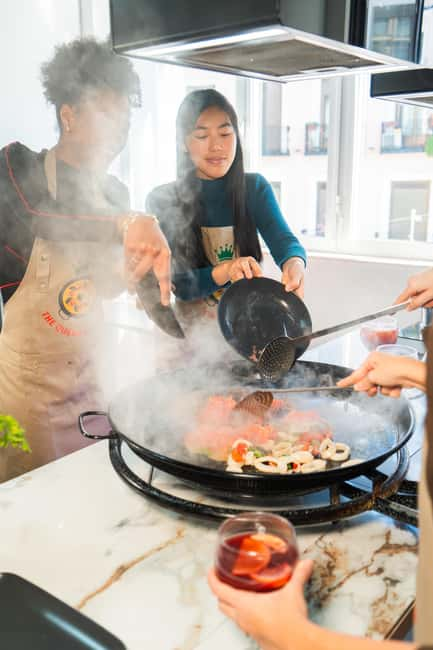
- Choose your paella: Select seafood, chicken, or vegetable paella when you reserve.
- Make sangria yourself: You work with fresh fruit and learn the proportions behind a proper Spanish version.
- Eat more than paella: Spanish omelet, ham toast with tomato, appetizers, refreshments, and Spanish shots are included.
- Learn by doing: You help prepare the dish instead of simply watching a chef cook.
- Expect a social setting: The private space and small-group format make it easy to meet other people.
- Bring home the method: Recipes are included, so you can try the dishes again after Madrid.
Starting with sangria, not just a glass at the table
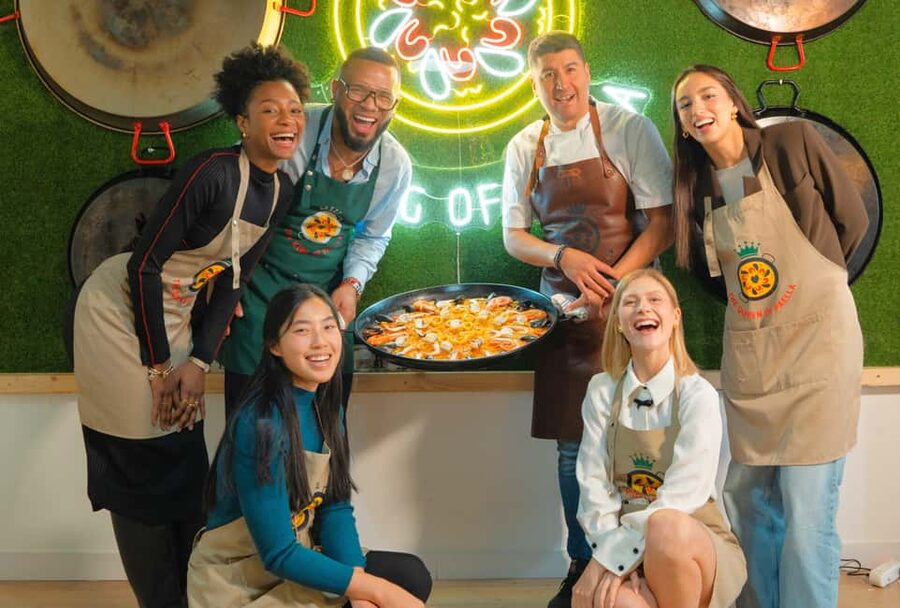
The class begins with a sangria workshop. That matters because sangria is often treated as a sweet tourist drink, while this lesson focuses on the ingredients and proportions that make the drink work.
You learn how to prepare it with fresh fruit and take part in blending your own glass. The supplied details indicate that each person has some control over the ingredients, so you are not simply handed a fixed recipe and told to taste it.
The class also explains a more authentic approach to the drink rather than the watered-down version some restaurants serve. That makes this opening section useful even if you already know sangria. You can pay attention to the balance of fruit, liquid, and alcohol, then adjust the recipe to your own taste.
Sangria is a good first activity because it gets everyone involved right away. You can hold a drink while listening to the chef explain the class, and the process creates an easy start for a group that may not know one another.
Alcohol is part of the sangria activity, and Spanish shots are included. Cocktails are not included, so do not expect a broader cocktail menu beyond what forms part of the class. Water, juice, and assorted refreshments are also provided.
Other tastings people book around Madrid:
- Madrid Tapas & Wine Tasting Walking Tour – Small Group Local Bars
★ 5.0 · 3,644 reviews - Toledo Tour & Vineyard Walk with Wine Tasting from Madrid
★ 5.0 · 2,546 reviews - Pub Crawl Madrid by Mad Party Crew
★ 5.0 · 2,526 reviews
Paella from the first pan to the final spoonful
The main lesson is the paella workshop. You learn how to prepare the dish step by step, using fresh, high-quality ingredients and traditional methods explained by the chef.
The class covers the golden rules of paella, along with the dish’s origins and development. That background gives the cooking more meaning. You are not just stirring ingredients into a pan. You are learning why paella is prepared in a particular way and what makes the finished dish different from an ordinary rice meal.
The exact ingredients depend on your booking choice:
- Seafood paella
- Chicken paella
- Vegetable paella
The vegetable option is useful for vegetarians and for anyone who wants a meat-free Spanish meal. One participant specifically received an adjustment for being the only vegetarian in the group, but you should still choose the vegetable option during booking when that is your preference.
The class is designed so everyone can contribute. That works better than a chef doing every important step while the group watches from a distance. You might be asked to prepare ingredients, follow the cooking process, or help with the stages that lead to the finished paella.
The paella cooks while you enjoy other food, so the lesson has a natural rhythm. You learn, pause for tapas, then return to the main dish when it is ready. This keeps the session from feeling like three straight hours of standing over a pan.
Tapas while the paella finishes cooking
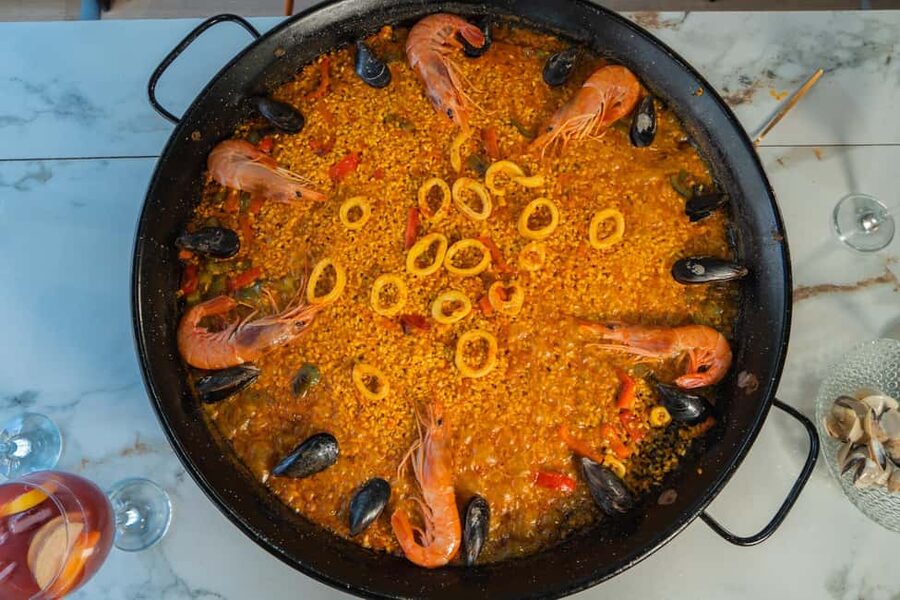
Before the paella is served, you enjoy Spanish omelet and ham toast with tomato, also known as pan tumaca. Various appetizers are included as well.
The Spanish omelet gives you a chance to taste one of the country’s most familiar comfort foods. The ham toast with tomato brings in another classic combination, with the tomato spread across bread and the ham adding salt and depth.
These dishes are more than filler while you wait. They help turn the class into a complete Spanish food experience rather than a single-recipe workshop. You get to compare simple tapas with the more involved paella, and you have something to eat during the cooking process.
The inclusion of ham means the standard menu is not fully vegetarian. If you choose the vegetable paella, tell the host about your dietary needs when you arrive so the meal can be handled clearly. The available information confirms that vegetarian accommodation has been possible, but it does not promise a fully vegetarian version of every appetizer.
Sitting down to eat in a Spanish-themed room
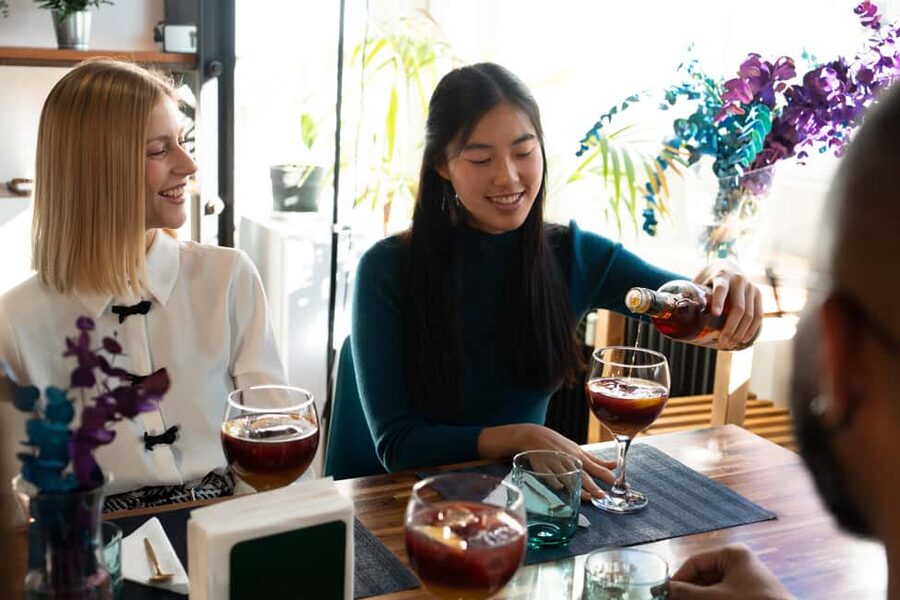
Once the paella is ready, you sit down to eat in a charming dining room decorated around Spanish style. This final meal is the payoff for the work you put into the dish.
I like this format because the class does not end with a rushed taste from the cooking station. You get a proper pause to enjoy the paella and the other food, and the room gives the meal a clear finish.
The private setting also helps the experience feel more personal than a large demonstration. A recent group described the space as beautiful and spacious, while another highlighted the small group size because it allowed everyone to participate.
The atmosphere is social, not formal. The instructors are there to guide the cooking, but they also keep the session light. Tony is noted for being outgoing and comfortable in English, while Pedro is described as friendly, entertaining, and informative. The exact instructor can vary, but the teaching team includes multilingual staff.
A few more tastings around Madrid worth a look
- Madrid Ultimate Spanish Cuisine Food Tour
★ 5.0 · 1,010 reviews - Madrid: Food & Wine Tour with 10 Tapas & 4 Drinks Included
★ 4.9 · 984 reviews - Madrid: Old Madrid Walking Food and Wine Tour
★ 4.9 · 111 reviews - From Split: Krka Waterfalls, Food & Wine Tasting Tour
★ 5.0 · 9,326 reviews
What the 3 to 4 hours actually buys you
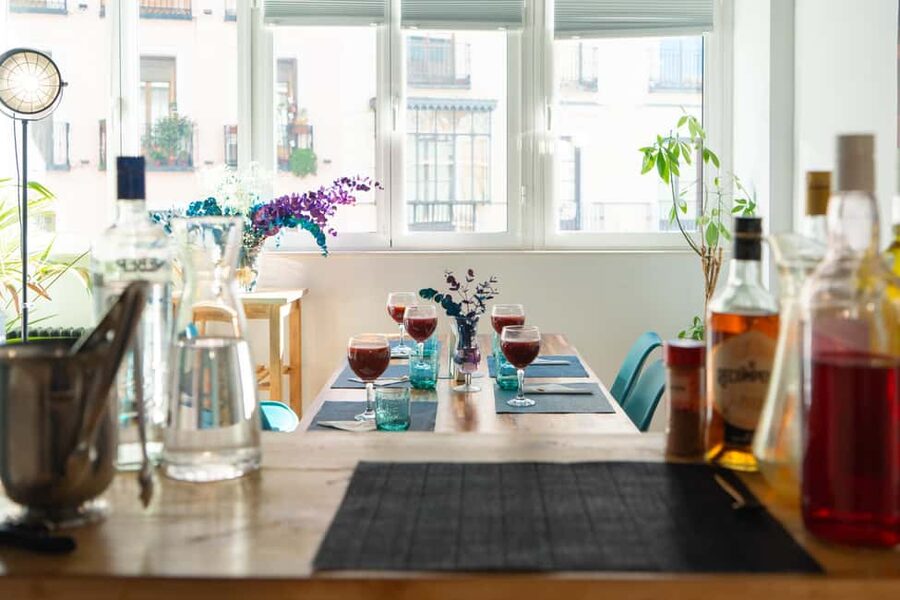
Three to four hours sounds long if you are thinking only about a recipe. It makes more sense when you count the full sequence: sangria preparation, paella instruction, food and appetizers, the cooking time, and the sit-down meal.
This is not the right choice for a tight stop between major Madrid sights. You will want enough time to reach the meeting point, take part without watching the clock, and eat at the end.
It suits a free afternoon or evening. You can make the class one of your main activities for the day rather than trying to squeeze it between museum visits. The pace also gives the instructor time to explain the food and answer questions.
The meeting point may vary depending on the option booked, so check the details for your selected class before setting out. That is a small but important planning point, especially if you are booking close to the date of the activity.
How the price compares with an ordinary Madrid meal
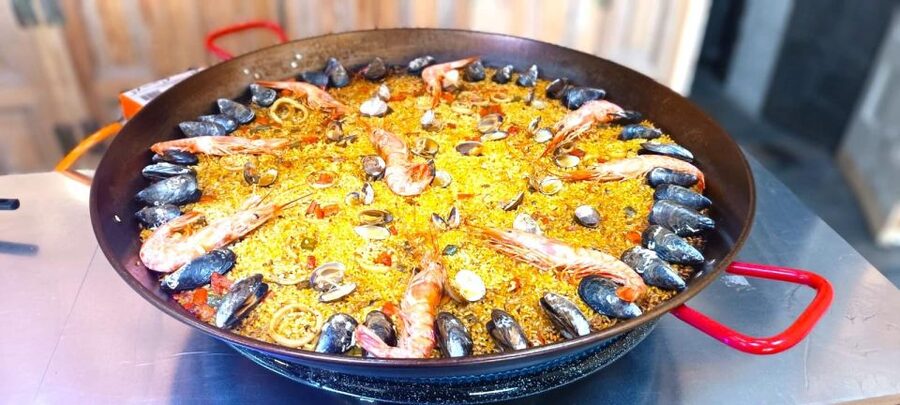
The cost is $100 per person. That is more than you would pay for a casual meal in Madrid, but the comparison is not quite fair because this includes several parts: instruction, sangria preparation, paella, Spanish omelet, ham toast with tomato, appetizers, water, juice, other refreshments, Spanish shots, and the recipes.
You are paying for a meal and an activity at the same time. You also leave with a cooking method you can use at home, which gives the class more lasting value than a restaurant dinner.
The price makes the most sense for people who enjoy participation. If you only want to taste paella, a restaurant will be cheaper and simpler. If you want to understand how the dish comes together, meet people over a shared meal, and learn enough to repeat the recipe, the $100 fee is easier to justify.
A private group option is available. That can be useful for families, couples traveling with friends, or groups that want a more focused session. The information provided does not specify a separate private-group price, so check the amount when booking.
Who will enjoy this paella class most
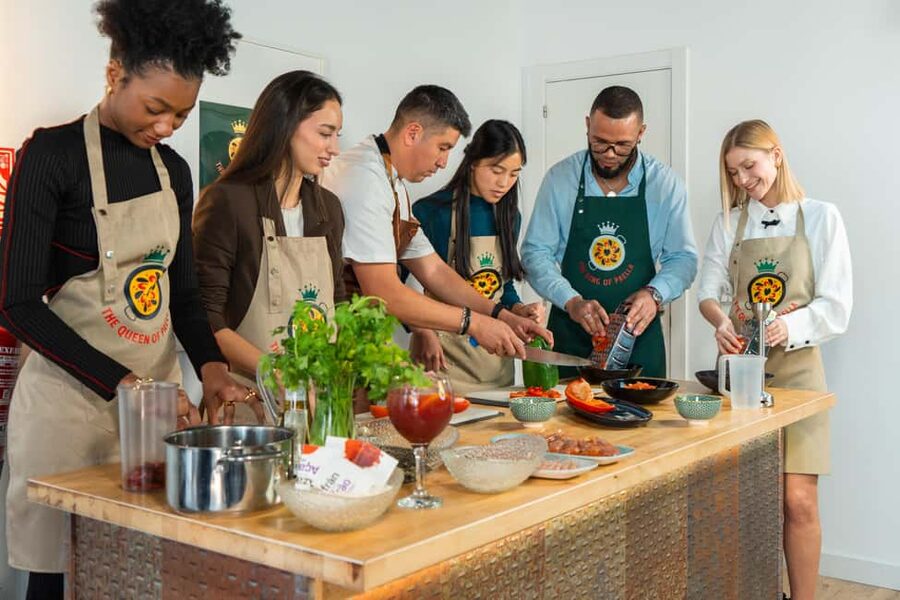
I would recommend this class to food-focused visitors who want more than a photograph of a meal. You do not need to be an experienced cook. The format is built around instruction, and the chef leads you through the steps.
It is also a good choice for people traveling alone. The shared preparation and sit-down meal give you a natural way to meet others, and one participant described making a new friend during the class.
Couples and friends will find plenty to do together, while families may appreciate the practical format if everyone in the group is interested in food. The private option gives larger groups a way to keep the experience together.
Vegetarians should select the vegetable paella and state their needs clearly. The class has accommodated a vegetarian participant, but the included ham toast and other tapas mean that the standard menu is not automatically meat-free.
This class is less suitable if you dislike group participation, do not want alcohol involved, or have only a short amount of free time. Chewing gum and bare feet are not allowed, so follow those simple house rules.
Languages, flexibility, and cancellation
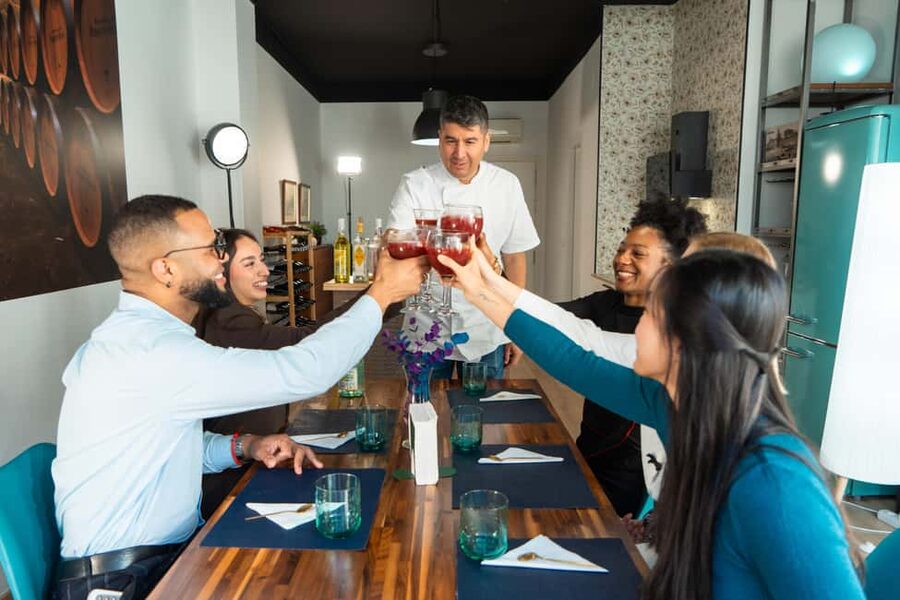
Instruction is available in English, French, Italian, Spanish, and Portuguese. Tony has been specifically praised for explaining the process clearly in English, but you should check the language choice when making your reservation.
The booking terms allow free cancellation up to 24 hours before the activity for a full refund. You can also reserve now and pay later, which helps if your Madrid schedule is still changing.
Starting times depend on availability. Since the activity lasts 3 to 4 hours, look at the start time alongside your dinner plans, hotel location, and any evening show or reservation.
The experience provider is PAURORA EXPERIENCES S.L. The meeting point is not necessarily the same for every option, so read the instructions tied to your selected seafood, chicken, or vegetable class.
The strongest parts of the experience
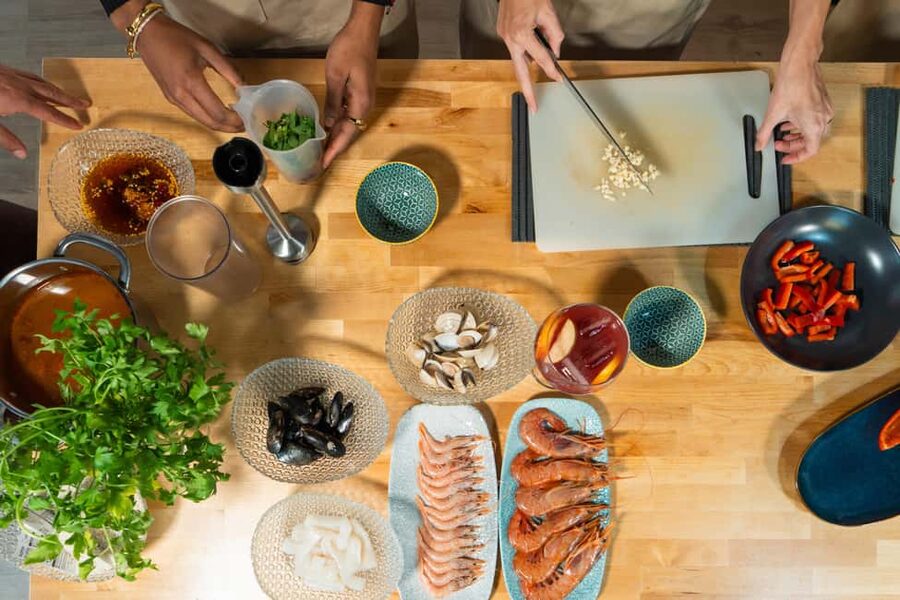
The food is the obvious attraction, but the teaching style is what gives the afternoon its value. Tony and Pedro are singled out for being friendly, entertaining, and clear, which matters in a cooking class where a stiff instructor can make even good food feel like homework.
The seafood paella receives particular praise for its flavor, while the vegetable option gives non-meat eaters a practical way to join. The chicken version rounds out the choices for people who want a more traditional land-based paella.
The sangria lesson is another strong point. You learn the ingredients and proportions instead of simply drinking a premixed pitcher. That makes the recipe easier to remember and repeat.
The recipes are a useful final touch. Paella can look simple until you try to reproduce it, so having written guidance gives you something to consult after your trip.
A few limits to keep in mind
The class takes place in a private space described as a bakery in central Madrid, but the exact meeting point depends on the booking option. You should not assume that every session begins at the same address.
The standard meal includes ham toast with tomato and Spanish shots. If you avoid meat or alcohol, make your needs clear before the class begins. The information confirms a vegetarian accommodation, but it does not list every possible dietary substitution.
The activity also has a strong social element. That is a benefit for most people, but it may not suit you if you prefer a quiet, individual lesson. Even with a small group, you will be sharing the cooking and dining experience.
Finally, paella quality depends partly on your chosen version and the group’s participation. Seafood paella is especially popular, but the vegetable and chicken options are available for a reason. Pick the dish you actually want to eat, not simply the one that sounds most traditional.
Should you book the Madrid paella and sangria class?
I would book it if you want a relaxed half-day built around Spanish food, conversation, and practical cooking. The combination of sangria, tapas, paella, a sit-down meal, multilingual instruction, and recipes gives you more than a standard restaurant visit.
Choose seafood if you want the most frequently praised option, chicken if you prefer a familiar meat-based dish, or vegetable if you need a meat-free paella. Allow the full 3 to 4 hours, confirm the meeting point, and check the language and dietary details before paying.
Skip it if you only want a quick tasting or would rather spend your Madrid budget on several independent meals. For everyone else, the class offers a useful way to understand paella from the pan outward, then eat the results in good company.
FAQ
How long does the paella and sangria class last?
The experience lasts 3 to 4 hours. Available starting times depend on the date and current availability.
How much does the class cost?
The price is $100 per person.
Which paella options can I choose?
You can choose seafood paella, chicken paella, or vegetable paella when making your reservation.
Is sangria included?
Yes. The class includes a sangria workshop using fresh fruit, along with water, juice, and assorted refreshments.
What food is included besides paella?
The meal includes Spanish omelet, ham toast with tomato, various appetizers, and Spanish shots.
Which languages are available?
The instructors can teach in English, French, Italian, Spanish, and Portuguese.
Can I cancel the booking?
You can cancel up to 24 hours in advance for a full refund. Reserve-now, pay-later booking is also available.
More Workshops in Madrid
- Spanish Cooking Class Paella Tapas and Sangria in Madrid
★ 5.0 · 1,340 reviews - Madrid: Paella and Sangria Workshop in the City Center
★ 4.9 · 1,264 reviews - Paella Workshop with Bottomless Sangria in Central Madrid
★ 5.0 · 763 reviews - Rome: Pasta Making Class with Wine, Limoncello, and Dessert
★ 4.9 · 3,177 reviews
Just added around Madrid
- Madrid: Toledo Day Trip with Winery Visit and Wine Tasting★ 4.4 · 177 reviews
- Personalised Traditional Madrid Night Tapas and Drinks Tour★ 5.0 · 95 reviews
- Madrid: Pub Crawl Madrid Running since 2005 Bar Exploration★ 4.1 · 221 reviews
- Madrid: Tapas & Wine Tour with Visit to a Rooftop★ 4.7 · 256 reviews
- Madrid: Pub Crawl | Free shot & Free Club entry★ 4.5 · 191 reviews
- Madrid: Flamenco Show with Tapas and Wine Tour★ 4.9 · 66 reviews
- Madrid: Old Madrid Walking Food and Wine Tour★ 4.9 · 111 reviews
- From Madrid: Alcalá de Henares, Winery Tour & Wine Tasting★ 4.4 · 63 reviews
Drinks Tours, compared.

Unlimited Prosecco, Beer and Aperol Spritz Cruise
Read our review →
Evening Cruise with Optional Wine and Snacks
Read our review →
Douro Valley w/ Boat Tour, Wine Tasting & Lunch
Read our review →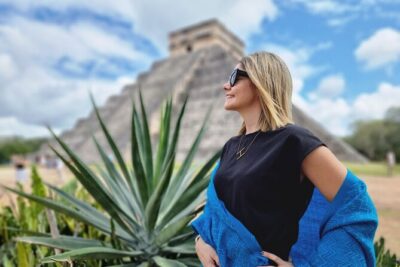
Chichen Itza, Cenote & Valladolid Tour with Tequila and Lunch
Read our review →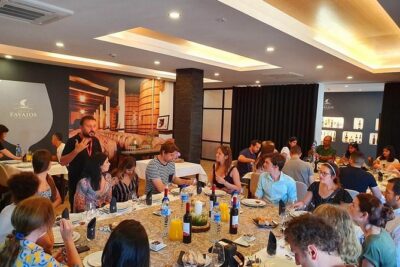
Complete Douro Valley Wine Tour with Lunch, Wine Tastings and River Cruise
Read our review →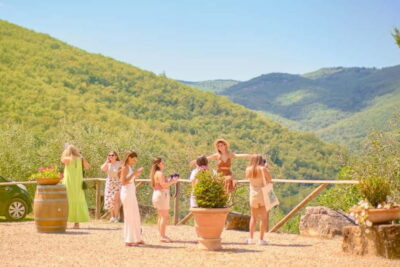
Small-Group Wine Tasting Experience in the Tuscan Countryside
Read our review →
Douro Valley with Winery Lunch, Tastings & Cruise
Read our review →Browse the lists this tour appears in