
Review · PARIS
From Paris: Reims and Champagne Tasting Full-Day Tour
Champagne is best understood where it is made, and this full-day trip takes you from grand cellars in Épernay to small producers, vineyard roads, and the Gothic cathedral of Reims. You will taste several styles of bubbly while learning why grape variety, soil, aging, and method matter.
I like the hotel pickup and drop-off, which removes the fuss of reaching an early meeting point. I also like the contrast between a famous house such as Veuve Clicquot, Moët & Chandon, Taittinger, Mercier, or Nicolas Feuillatte and a smaller estate where the people behind the bottles are closer at hand.
The main drawback is the clock. Eleven hours sounds generous, but Paris traffic and a busy Champagne schedule can eat into the day. A vineyard stop may occasionally be skipped because of weather or timing, and the exact grand house is chosen according to availability.
Key points to know before booking
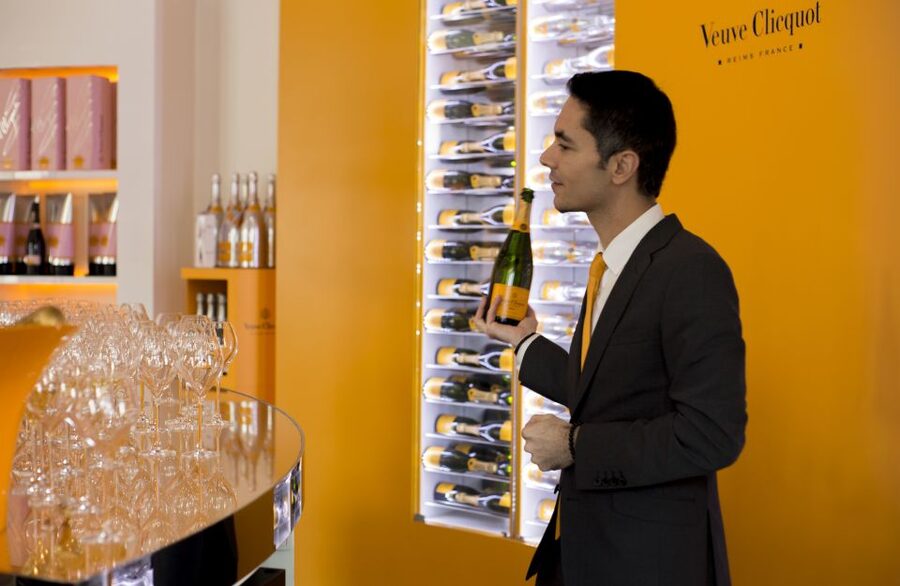
- A major house and a small grower: Compare large-scale Champagne production with the work of a smaller estate.
- A proper three-course lunch: Food is part of the day, not an afterthought, with restaurants such as Le Théâtre and Le Clos Corbier appearing in the experience.
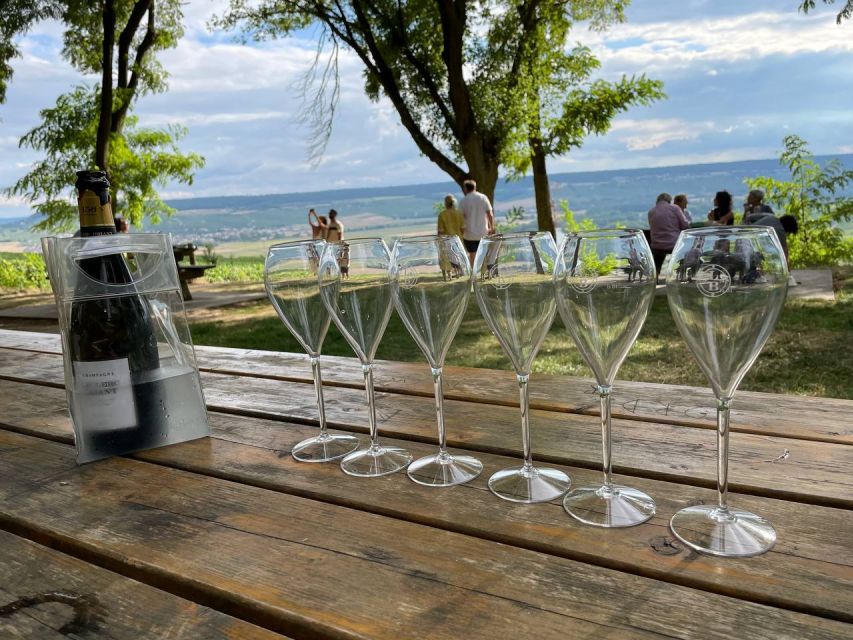
- Tasting among the vines: The blind tasting near the Marne adds a useful lesson in identifying different sparkling wines.
- Reims Cathedral included: See the Gothic church where French kings were crowned, usually with about 30 minutes for sightseeing.
- Guides shape the day: Tomer, TJ, Alex, Sebastian, Arthur, and others are praised for clear commentary, careful driving, and helpful extras.
- Expect a long day: The tour lasts about 11 hours, with roughly 100 minutes to reach Champagne and about two hours back to Paris before traffic is considered.
Why the Champagne region makes a fine day trip from Paris
Paris gives you grand museums, cafés, and boulevards. Champagne gives you open country, village roads, and the chance to see how a drink linked with celebration is actually produced. The region is close enough for a long day trip, but far enough to feel like a change of pace.
The route usually heads first toward Épernay, one of the main centers of Champagne production. Along the way, your guide explains the region, the three principal grape varieties, the idea of terroir, and the steps that turn grapes into Champagne.
That running commentary matters. You are not simply being driven to a cellar, handed a glass, and sent on your way. Guides such as Tomer, TJ, Alex, and Sebastian are praised for keeping up the explanation during the transfers, which helps the long drives feel like part of the tour rather than empty time.
The air-conditioned minivan is a practical choice for this route. Pickup at your accommodation saves you from arranging a taxi or finding a meeting point, and the return transfer means you can relax after several tastings. A small group is typical, with one experience described as eight people, although the exact group size is not guaranteed unless you book the private option.
More Champagne Tours in France
- Paris: Moulin Rouge Cabaret Show Ticket with Champagne
★ 4.7 · 16,088 reviews - Paris: Paradis Latin Cabaret Show with Optional Champagne
★ 4.6 · 2,231 reviews - Paris 3-Courses Gourmet Dinner Seine River Cruise with Champagne
★ 4.0 · 1,659 reviews
Inside a grand Champagne house in Épernay
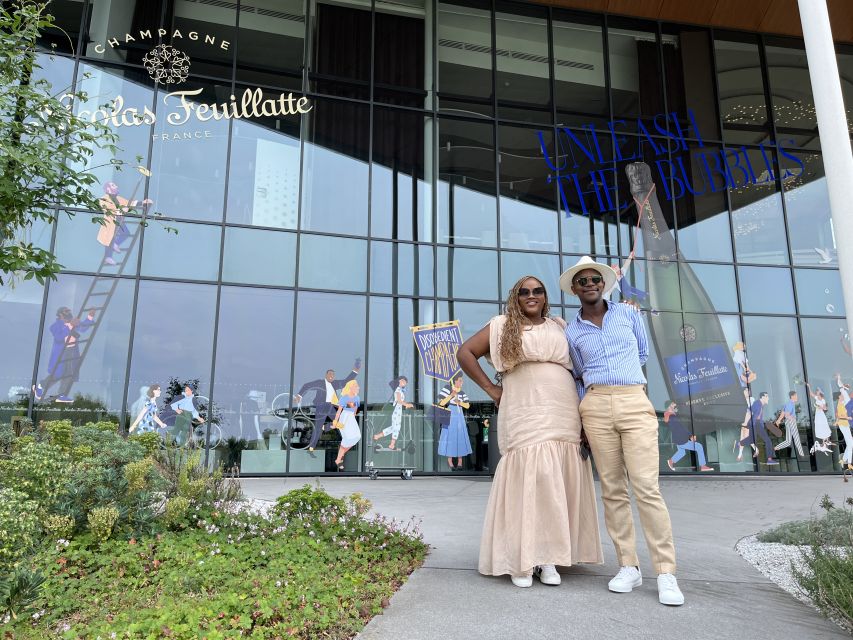
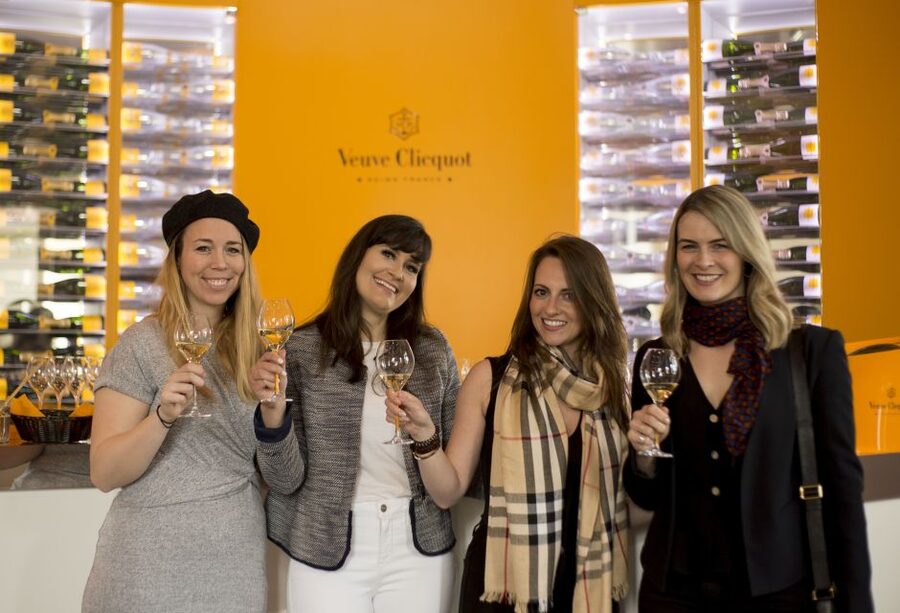
The first major stop is a guided visit to a well-known Champagne house. The exact name is not fixed. Depending on availability, it can be Mercier, Nicolas Feuillatte, Veuve Clicquot, Taittinger, Moët & Chandon, Boizel, or another established producer.
This uncertainty is important if you have your heart set on one label. You can contact the operator with a request, and some groups have visited Veuve Clicquot, Moët & Chandon, Taittinger, Pommery, or Nicolas Feuillatte. A request is not a guarantee, but it is worth making before you book.
At a major house, you get the broad production story. The cellar visit shows how bottles are stored and aged, while the guide explains the house’s origins and its approach to Champagne. The scale is part of the appeal. You are seeing the polished, carefully organized side of the region, with an international brand and a long-established identity.
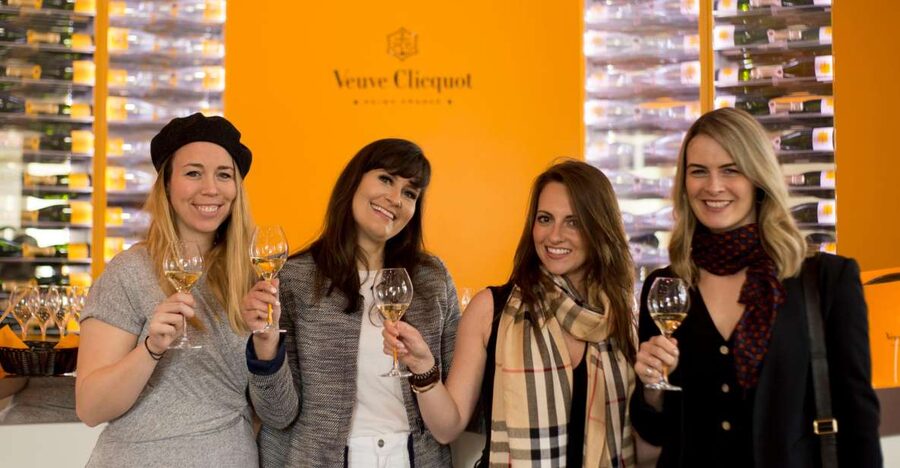
The tasting here is usually more structured than the later stops. You will sample Champagne and learn how to pay attention to aroma, sweetness, texture, and finish. If you already know a little about sparkling wine, this gives you a useful reference point. If you are new to it, the cellar tour makes the tasting easier to understand.
The cellars can be cold and damp. Bring a jacket or an extra layer, even in warm weather. Comfortable shoes also matter, since the day includes cellar floors, restaurant visits, outdoor stops, and cathedral sightseeing.
A three-course lunch that breaks up the tastings
Lunch is included, which is a real advantage at this price. A three-course meal gives you a proper pause after the first visit and keeps the day from becoming a parade of small samples.
Restaurants named in the detailed experiences include Le Théâtre in Épernay and Le Clos Corbier. Menus can vary, but the point is to introduce you to French cooking in a local setting rather than leave you to find food between appointments. Some meals have been described as especially polished, and one experience included a Michelin-starred restaurant.
Do not expect every lunch to be identical. The restaurant and menu may depend on the schedule, and additional orders are not included. The basic three-course lunch is covered, but you pay separately for extras and any bottles or other purchases.
Food allergies should be raised ahead of time. One group received help with dietary needs, but the operator needs the information so the restaurant can prepare. Lunch is also one of the reasons this tour feels less rushed than a series of cellar visits, giving you time to sit down, eat, and talk with the group.
Meeting a smaller producer and tasting closer to the source
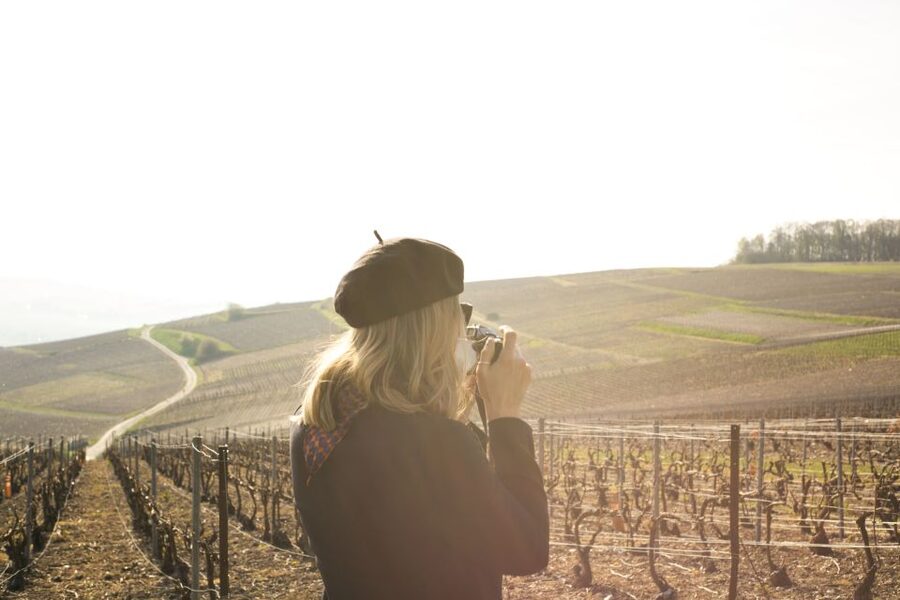
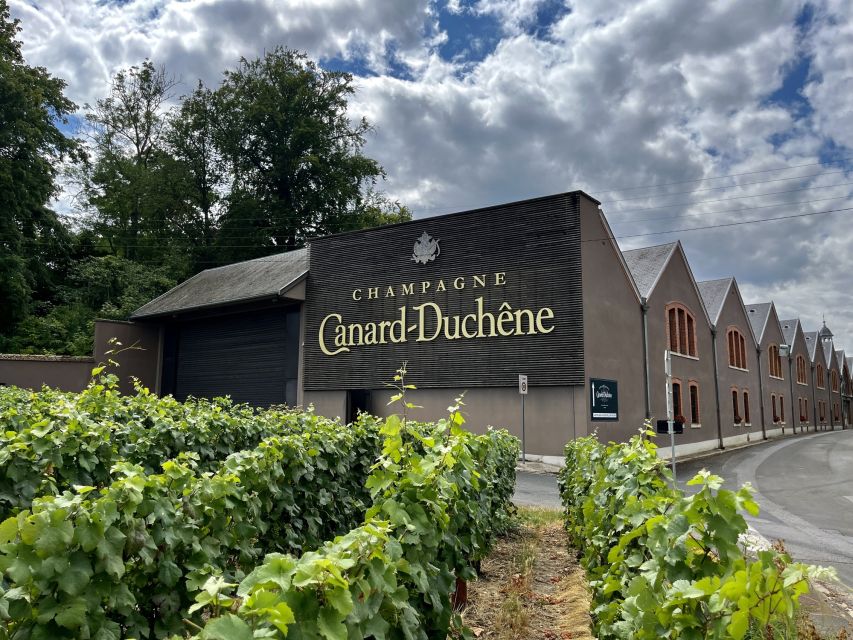
The second Champagne visit normally shifts the focus from a major brand to a smaller estate. This is one of the strongest parts of the day because the contrast is clear. Instead of only hearing about a famous label, you see how a smaller producer works and taste a more personal expression of the region.
The visit may include a cellar tour, an explanation of the estate’s background, and several pours. Experiences have included Dom Caudron, Le Clos Corbier, Landon, and other local producers, but the exact estate can change.
At a family-run or smaller house, you might meet someone directly connected with production. That personal contact gives the region a human scale. You can ask questions about grapes, fermentation, storage, and the decisions that shape the final bottle.
Some visits also include a Champagne saber demonstration. A guest may be invited to open a bottle with a saber, an entertaining extra that adds some theater to the afternoon. It is not the central purpose of the tour, so do not book solely for that activity, but it can make the small-estate stop memorable.
The tasting quality may vary more here than at a famous house. One detailed account found the small-house Champagne less impressive than expected, even though the setting and activity were enjoyable. That is a fair point. The value of this stop is the personal setting and comparison, not a promise that every bottle will suit your taste.
More Champagne Tours in Paris
- Top Private Cruises in Paris with French Champagne and surprises
★ 5.0 · 1,553 reviews - From Paris: Day Trip to Champagne with 8 Tastings & Lunch
★ 4.8 · 1,501 reviews - Paris: First Show Moulin Rouge with Champagne & Seine Cruise
★ 4.1 · 1,260 reviews - Paris: La Nouvelle Eve Cabaret Show with Champagne
★ 4.7 · 1,192 reviews
Vineyard views and the blind tasting near the Marne
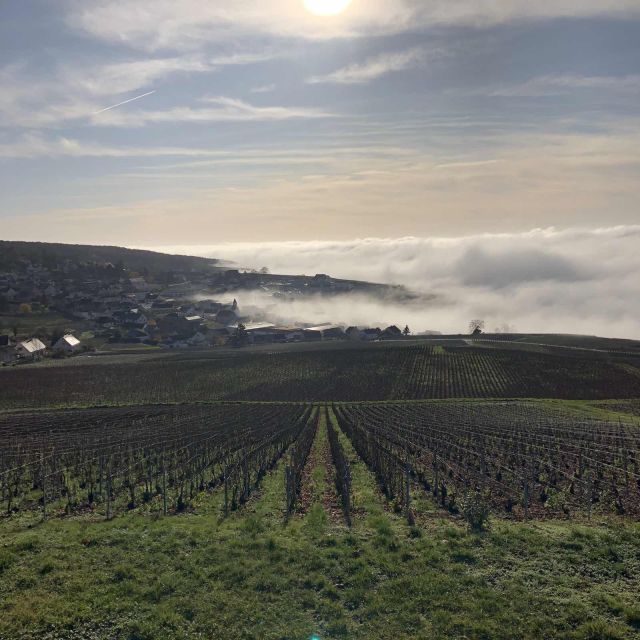
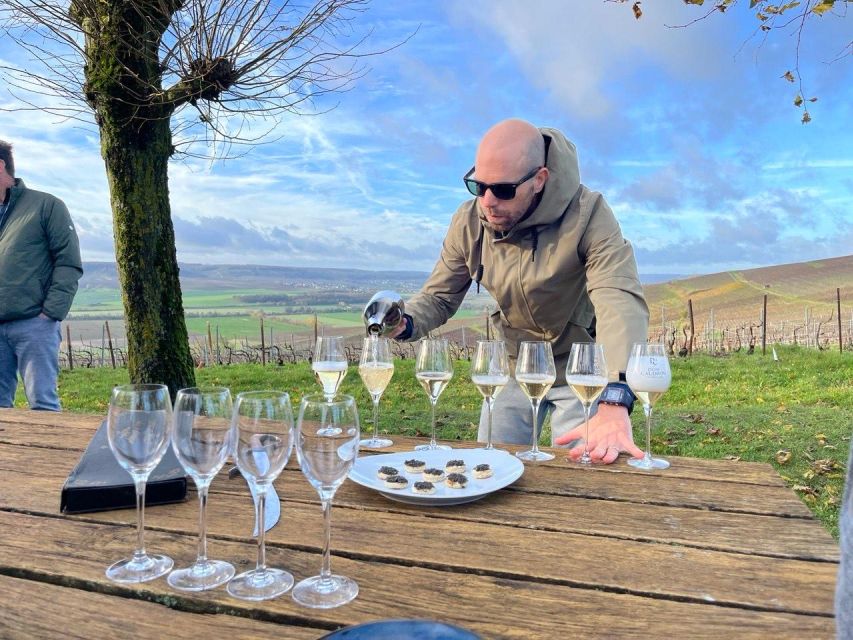
After the cellar visits, the tour moves outdoors for a vineyard stop and a blind tasting. This is where the day connects the drink with the land. Your guide explains the grape varieties, the soil, the climate, and the work behind the rows of vines.
The setting may be near the Marne, with a view over the countryside. Some guides add a stop at a scenic park or viewpoint, and one group visited a village connected with Dom Pérignon, often associated with the development of Champagne. These extra stops depend on timing and the choices made by your guide.
The blind tasting is more useful than simply adding another glass. You are asked to compare different bubbly wines without relying on the label. The lesson is simple: look at color and bubbles, smell the wine, take a sip, and notice sweetness, acidity, and texture.
This stop also gives you a chance to slow down. The grand houses are organized and indoors. The vineyard tasting feels more relaxed, with open views and a direct connection to the rows of grapes. In good weather, it can be the most atmospheric part of the day.
The outdoor portion is not guaranteed in every situation. Weather, vineyard access, and the timing of the two formal visits can change the order or remove the stop. Keep that in mind if the vineyard setting is the main reason you are booking.
Reims Cathedral and the royal side of the region
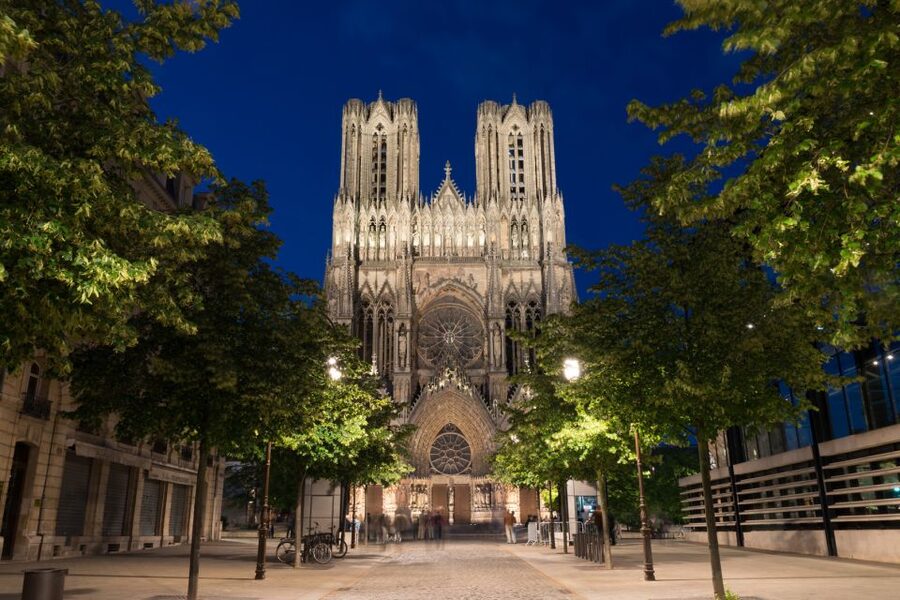
The day includes a visit to Notre-Dame de Reims, one of France’s great Gothic cathedrals. French kings were crowned here, giving the building a political importance that matches its impressive architecture.
You generally have about 30 minutes for sightseeing. That is enough to enter, look at the soaring interior, and study the stained glass, but not enough for a slow architectural visit. Some guides provide a short explanation inside, which helps you notice the cathedral’s role in the region instead of treating it as a quick photo stop.
The cathedral is a welcome change after the tastings. It gives the day a second subject: Champagne explains the modern identity of the region, while Reims connects you with centuries of French royal history. You may also see details such as restored windows and sculpture, though the amount of time available depends on the day’s schedule.
The short visit is both a benefit and a limitation. You get a taste of Reims without giving up another cellar stop, but anyone wanting a full cathedral tour should plan a separate visit. This experience is built around Champagne first, with Reims as an important final chapter.
The drive, timing, and what the 11 hours really means
The advertised duration is about 11 hours. The drive to the Champagne region takes roughly 100 minutes, and the return is listed at about two hours. Traffic can make the trip home longer. One group faced close to three hours in rainy conditions, so do not schedule an immovable dinner reservation in Paris.
The day is full, but the stops are spread across different types of activity. You have time in cellars, a seated lunch, outdoor views, tastings, and the cathedral. The order can change depending on opening times and reservations. A major house might come first or later, and the vineyard tasting may move to fit the day.
Your guide makes a large difference. Tomer is praised for detailed commentary, smooth pickup, and thoughtful extras. TJ is noted for his driving, organization, humor, and willingness to help. Alex is often praised for creating a friendly atmosphere and adding surprises. Sebastian is remembered for his stories, photos, and fun approach to the vineyard tasting. Arthur and Benoit are also praised for their regional knowledge and care.
You should still think of this as a road trip, not a slow rural retreat. The minivan covers a lot of ground, and the day’s success depends on traffic and the timing of the Champagne houses.
Is the $411 price good value?
At $411 per person, this is not a cheap day trip. It becomes easier to judge when you add up what is included: hotel pickup and drop-off, air-conditioned transport, access to the scheduled houses, cellar visits, several tastings, a three-course lunch, bottled water, a guide, and the Reims stop.
A self-planned visit could cost less if you used public transport, selected one cellar, and bought lunch at a modest restaurant. It would also require arranging connections between Reims, Épernay, and a smaller estate. This tour charges for convenience, coordination, and the guide’s interpretation.
The value is strongest if you want several different experiences in one day. You see a major brand, a smaller producer, countryside views, a blind tasting, a substantial lunch, and Reims Cathedral without driving yourself.
The value is weaker if you only want to visit one specific Champagne house or prefer to set your own pace. Since the famous house is selected based on availability, a single-brand enthusiast may prefer a dedicated visit instead.
Who will enjoy this Champagne day trip?
I would recommend it to first-time visitors who want a clear introduction to the region without renting a car. It also suits couples, friends, solo visitors comfortable in a small group, and anyone who wants lunch and transport handled in advance.
You should be comfortable with a long day, several tastings, cellar conditions, and changing times. The experience is not suitable for children under 16. Anyone under 18 may receive non-alcoholic grape juice instead of Champagne, but the tour is designed mainly for adults.
This is a particularly good choice if you want a guide who explains the region as you go. It is less suitable if your main goal is a relaxed afternoon with no timetable or if you need a fully accessible route through every cellar and site. Mobility needs should be discussed before booking. One visit adjusted its plan for a guest’s needs, but the cellars and historic sites can present physical limits.
Free cancellation is available up to 24 hours before departure, and you can reserve now and pay later. Pickup details are supplied the day before, and the operator asks you to provide your address even if it does not appear correctly in the booking form.
Should you book this Champagne tour?
Book it if you want the Champagne region explained by a guide, not just photographed from a car window. The best combination is the large-house visit, the smaller estate, a proper lunch, and the outdoor blind tasting. You also get Reims Cathedral without sacrificing the whole day to transport planning.
Before booking, request a preferred Champagne house, tell the operator about food allergies or mobility needs, pack a second layer, and leave your Paris evening open. If you can accept a changing schedule and the possibility that your preferred house or vineyard stop may not be available, the $411 price buys a well-organized day with a lot packed into it.
FAQ
How long does the tour last?
The experience lasts about 11 hours, including transfers between Paris, the Champagne region, and Reims.
Is hotel pickup and drop-off included?
Yes. Pickup and return transportation from your hotel or accommodation in Paris are included. The pickup time is provided the day before.
Which Champagne house will I visit?
The major house is selected according to availability. Options can include Mercier, Nicolas Feuillatte, Veuve Clicquot, Taittinger, Moët & Chandon, Boizel, or another well-known producer.
Can I request a specific Champagne house?
Yes. You can contact the operator with a preference, but the request is subject to availability.
Is lunch included?
Yes. A three-course lunch at a local restaurant is included. Additional orders at the restaurant are not included.
How many tastings are included?
The day includes tastings at a major Champagne house, a smaller estate, and a blind tasting near the vineyards. The exact number of pours can vary by venue.
Will I visit the vineyards?
The schedule includes a vineyard stop and a tasting among the vines when weather and timing allow. The outdoor visit may occasionally be changed or skipped.
How much time is provided at Reims Cathedral?
The planned sightseeing visit is about 30 minutes. Your guide may provide a short explanation of the cathedral and its role in French history.
What should I bring?
Bring comfortable shoes and a jacket or second layer because the cellars can be cold and damp.
Is the tour suitable for children?
The experience is not suitable for children under 16. People under 18 may be offered non-alcoholic grape juice instead of Champagne.
Is the tour available as a private experience?
Yes. A private group option is available.
What happens if I need to cancel?
You can cancel up to 24 hours before the tour for a full refund. A reserve-now, pay-later option is also available.
More Full-Day in Paris
- Eastern Madeira: Full-Day Tour with Rum Tasting
★ 4.7 · 1,575 reviews - Full Day Trip To Ouzoud Waterfalls From Marrakech & Boat Tour
★ 4.5 · 1,308 reviews - Cape Town: Full-Day Winelands Tour with Wine Tastings & Food
★ 4.9 · 1,288 reviews - Montserrat Full Day Tour with Farmhouse Lunch and Winery Visit
★ 5.0 · 1,068 reviews
Just added around Paris
- Top Private Cruises in Paris with Champagne + more surprises★ 5.0 · 309 reviews
- Paris: Walking Food Tour with Cheese, Wine and Delicacies★ 4.7 · 323 reviews
- Private tour of Paris by Night with Champagne★ 4.7 · 323 reviews
- Paris: Wine Tasting Experience with 6 Wines and Cheese Board★ 4.9 · 80 reviews
- Paris: Wine and Cheese Tasting★ 4.6 · 91 reviews
- Paris: Seine River Champagne Dinner Cruise with Live Music★ 4.4 · 287 reviews
- Paris : Scenic Cruise on the Seine River with Champagne★ 4.0 · 81 reviews
- Paris: Tasting of 3 Wine and 3 Cheese★ 5.0 · 74 reviews
Champagne Tours, compared.
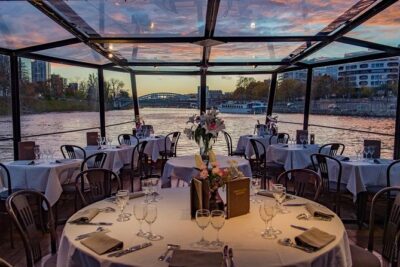
Paris 3-Courses Gourmet Dinner Seine River Cruise with Champagne
Read our review →
Top Private Cruises in Paris with French Champagne and surprises
Read our review →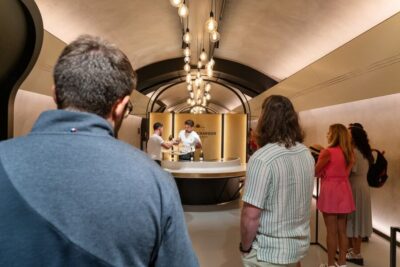
Day Trip to Champagne with 8 Tastings & Lunch
Read our review →

First Show Moulin Rouge with Champagne & Seine Cruise
Read our review →
Private Boat Ride in Miami with Experienced Captain and Champagne
Read our review →
Browse the lists this tour appears in